We have seen purchase teams lose weeks over one small line item: “13Cr seamless” written on a tender without the actual grade variant, hardness window, or service limits behind it. On paper, 13Cr looks like the easy middle ground between carbon steel and higher-cost CRA. In the field, the wrong interpretation can mean rejected MTCs, failed corrosion review, or a tubing string that never should have been released for the well.
Stancor Tubulars serves EPC contractors, drilling companies, stockists, OEMs, and plant procurement teams that need more than a quote. As a 13Cr Seamless Pipes Manufacturer India | Stancor Tubulars, we focus on controlled chemistry, disciplined heat treatment, dimensional consistency, and inspection records that stand up to third-party review. That matters because 13Cr is not a generic commodity grade; it is a material family that must be matched to actual service conditions.
13cr seamless pipe selection starts with the right grade, not the lowest quote
13cr seamless pipe typically refers to martensitic stainless steel with roughly 12 to 13 percent chromium, supplied in seamless form for oilfield, pressure, and process service. Depending on the specification route, buyers may be evaluating products to ASTM A268, ASTM A312 equivalents for stainless process use, API 5CT for casing and tubing, API 5L for line pipe applications, or project-specific requirements aligned with ASME B31.3, NORSOK, or end-user corrosion standards. The seamless route is often preferred where wall uniformity, pressure integrity, and defect control are critical.
The first technical checkpoint is grade identity. Conventional 13Cr, Modified 13Cr, and Super 13Cr are related but not interchangeable. Conventional 13Cr may be considered for sweet service where CO2 corrosion resistance is needed beyond carbon steel, but chloride level, temperature, pH, and H2S content can quickly narrow the safe operating envelope. Modified and Super 13Cr grades are used when the corrosion basis demands better resistance, but they come with different chemistry controls, qualification requirements, and cost. In our experience, many procurement problems start when “13Cr” is treated as a single universal material.
Heat treatment condition is equally important. Quench-and-temper or equivalent controlled treatment governs strength, hardness, and toughness. If the project has hardness restrictions for sour-related risk management, or impact requirements at low temperature, the purchase order must state them clearly. A compliant chemistry without the correct heat treatment discipline is not enough.
Our Pune mill runs three shifts to keep these tolerances.
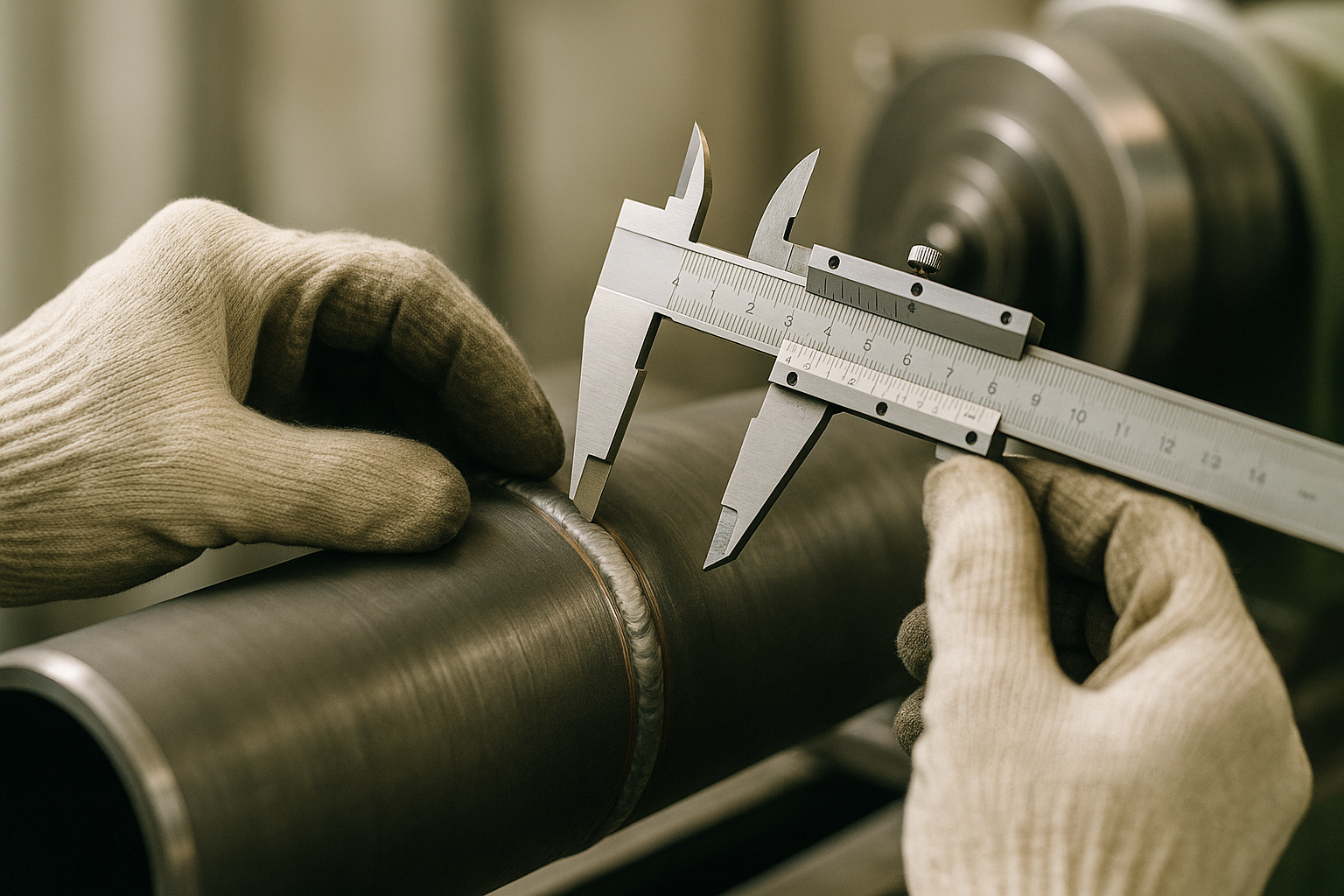
Why buyers choose a 13Cr seamless pipes manufacturer in India for project supply
Serious buyers do not source 13Cr on base price alone. They look for a manufacturer that can handle technical review before order release, support third-party inspection, and issue a documentation package that matches the project specification line by line. A dependable 13Cr seamless pipes manufacturer India should be able to discuss ASTM, API, ASME, and customer-specific clauses with confidence, including NDE scope, hydrotest requirements, PMI expectations, and traceability rules.
India remains a strong sourcing base for seamless stainless and alloy tubular products because buyers can combine manufacturing capability with responsive commercial support. That matters in EPC and oilfield schedules where clarification cycles are short and deviations are costly. We regularly see buyers needing mixed sizes, cut lengths, bevel end preparation, threading coordination, marking requirements, and export-ready packing under one order. A supplier that understands project execution, not just rolling and dispatch, reduces friction across the whole chain.
There is also a practical inventory advantage. Many projects need a balance of standard dimensions and special requirements. A manufacturer with established sourcing, finishing, testing, and logistics control can often support both stock-and-supply needs and made-to-order production. That flexibility is valuable when shutdown windows, drilling schedules, or fabricated spool deadlines leave little room for material delays.
Standards, dimensions, and testing that separate acceptable pipe from project-ready pipe
For pressure and process service, dimensional and testing discipline is where many offers start to diverge. Depending on the application, buyers may specify OD and wall thickness to ASME B36.10M or B36.19M conventions, with manufacturing and testing aligned to the applicable ASTM or API standard. For oilfield tubulars, API 5CT requirements for casing and tubing are often central, including dimensional tolerances, drift, end finishing, and marking. For line applications, API 5L or customer line pipe specifications may apply, though corrosion qualification still has to be checked separately for 13Cr service.
Testing should never be treated as boilerplate. Typical project scopes may include hydrostatic testing, eddy current or ultrasonic examination, visual and dimensional inspection, hardness testing, flattening or flaring where relevant, PMI, corrosion-related review of chemistry, and mechanical tests such as tensile and impact. If the project calls for NACE-related hardness control or end-user qualification, the MTC package must clearly reflect actual compliance. We advise buyers to confirm whether testing is heat-wise, lot-wise, or piece-wise, because that affects both confidence level and traceability depth.
We learned this the hard way on a 2019 nuclear-spec order — never compromised since.
Documentation quality matters just as much as physical testing. A project-ready dossier usually includes MTCs to EN 10204 3.1, heat treatment records, NDE reports, dimensional reports, hydrotest records where applicable, marking details, and third-party inspection release notes. On high-accountability projects, incomplete paperwork can delay site acceptance even when the pipe itself is sound.
Where 13Cr works well, and where it should not be forced into service
13Cr is often selected because it offers a practical step up from carbon steel in CO2-containing sweet environments without jumping straight to duplex stainless or nickel alloys. Typical use cases include oilfield tubing and casing, certain flowlines, pressure piping, water injection components under controlled conditions, and fabricated systems where corrosion allowance on carbon steel is no longer attractive. In the right envelope, 13Cr can deliver a strong balance of corrosion resistance, mechanical performance, and cost.
But the trade-offs are real. Chlorides, elevated temperature, low pH, oxygen ingress, and H2S can sharply change the risk profile. Conventional 13Cr is not a cure-all for sour service, and even enhanced variants must be checked against project corrosion models and end-user qualification rules. We have seen buyers assume that because a material is “stainless,” it is automatically safe in mixed chloride and sour conditions. That is a costly assumption. Material review should always be tied to CO2 partial pressure, chloride content, pH, temperature, pressure, and upset conditions, not just normal operation.
Fabrication route also matters. Welding procedure qualification, post-weld condition, and hardness control can affect final serviceability. If the pipe will be fabricated into spools, pup pieces, manifolds, or connector assemblies, the buyer should align base material supply with downstream fabrication requirements from the start.
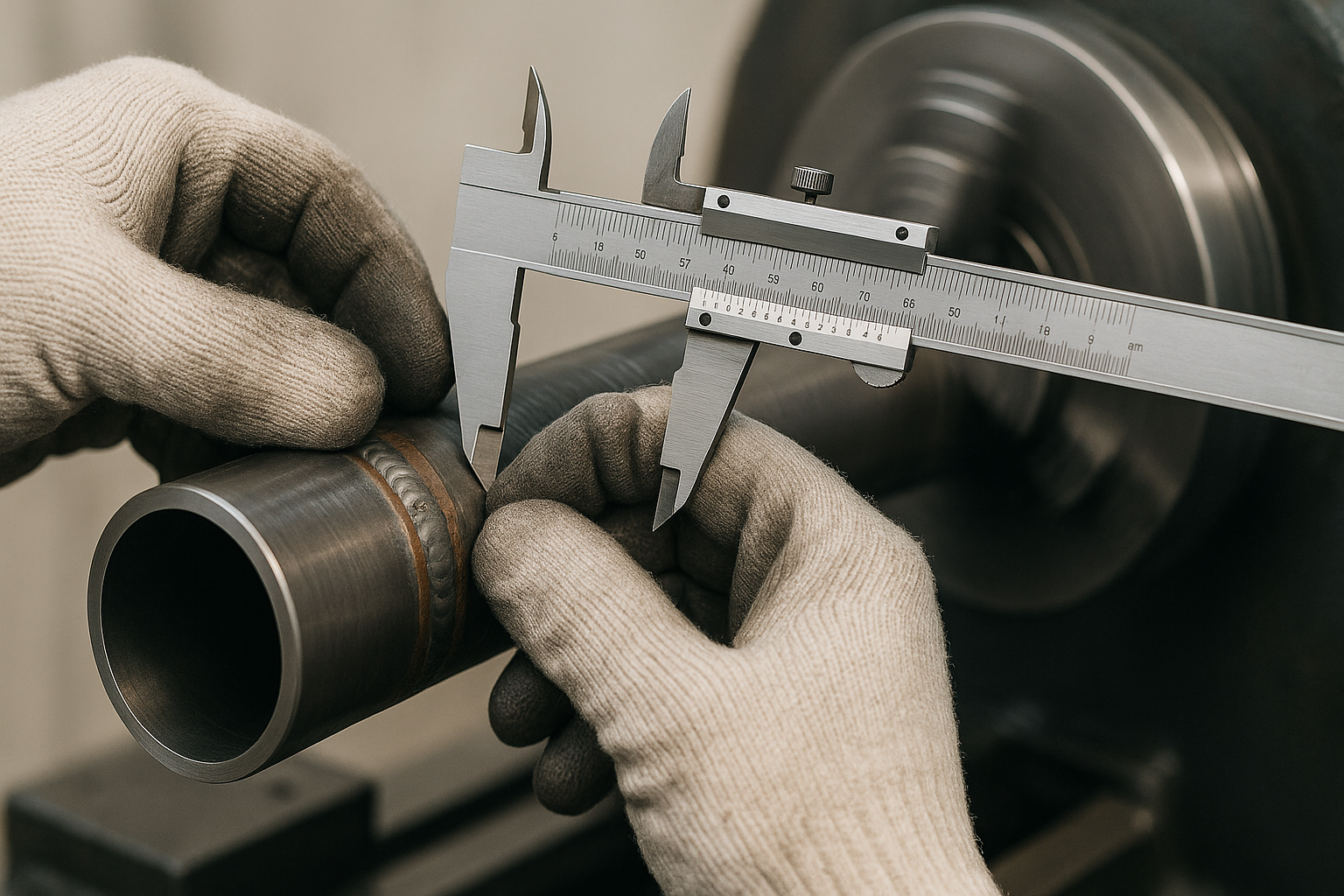
What procurement teams should verify before placing a 13Cr seamless pipe order
The cleanest orders are the ones that remove ambiguity before production starts. We recommend locking down service basis, grade variant, dimensional standard, testing scope, and documentation requirements at technical bid stage rather than after commercial award. That reduces the risk of substitution arguments, test repetition, or rejected paperwork during inspection. For 13Cr, small wording gaps can create major technical disputes later.
In our 51 years at Stancor Tubular Products Pvt. Ltd., we've seen this come up often.
These are the practical points we ask buyers to confirm before PO release:
- Exact grade designation: conventional 13Cr, Modified 13Cr, Super 13Cr, or customer-specific chemistry window.
- Applicable standard: ASTM, API 5CT, API 5L, ASME piping requirement, or project specification with revision number.
- Size and schedule: OD, wall thickness, length range, tolerance, end finish, and any threading or bevel details.
- Heat treatment and hardness: required condition, maximum hardness, impact properties, and any NACE or sour-related restrictions.
- Inspection scope: hydrotest, UT, ET, PMI, dimensional checks, visual, mechanical tests, and third-party witness points.
- Traceability and certification: heat-wise or piece-wise traceability, EN 10204 3.1 documents, marking format, and packing requirements.
Commercially, buyers should also consider minimum order quantities, lead time for special sizes, and whether the supplier can support split shipments without losing traceability. In our experience, the cheapest offer often becomes the most expensive once retesting, missing records, or dimensional nonconformance start affecting the schedule.
How Stancor Tubulars supports reliable 13Cr supply for oilfield and process applications
At Stancor Tubulars, our approach is straightforward: we treat 13Cr as an engineered supply item, not a generic stainless pipe line. That means reviewing the intended application, confirming the grade route, aligning the testing plan, and supplying material with documentation that procurement, QA, and inspection teams can actually use. Buyers come to us when they need confidence in chemistry control, heat treatment discipline, dimensional consistency, and export-ready project paperwork.
We support requirements across oilfield, process, and industrial applications where seamless martensitic stainless pipe must meet specific standards and service expectations. That includes coordination on size range, cut lengths, end conditions, testing, marking, and third-party inspection. Where project language is unclear, we help identify the missing technical inputs before production is committed. That step saves time because 13Cr failures in procurement usually start with assumptions, not metallurgy.
For contractors and stockists comparing suppliers in India, the real differentiator is not who can say “available.” It is who can supply the right 13Cr variant, in the right condition, with the right records, without creating downstream qualification issues. That is the standard we work to.
Engineering note from our metallurgist: the ASTM minimum isn't the same as the practical minimum.
Key Takeaways
13Cr can be a highly effective material choice when the grade, heat treatment, and service envelope are properly matched. The safest buying decisions come from technical clarity before order release, not after inspection begins.
- Do not buy “13Cr seamless” as a generic item; confirm the exact grade variant and service basis.
- Match ASTM, API, ASME, or project specification requirements to testing, hardness, and documentation before PO issue.
- Check corrosion limits carefully for chlorides, CO2, temperature, pH, and any H2S exposure or upset conditions.
- Choose a supplier that can provide traceable inspection records, disciplined heat treatment, and project-ready certification.