
Titanium Alloy Pipes
StanPipe Titanium Alloy Pipes are produced in commercially pure and alloyed titanium grades to deliver outstanding corrosion resistance, high specific strength, and excellent performance in chloride-bearing, seawater, and oxidizing environments. Seamless pipe is typically manufactured by hot working and cold finishing followed by annealing, while welded pipe is formed from titanium strip/plate and autogenously welded (typically GTAW) with subsequent heat treatment as required by the applicable specification. Surface condition options include pickled/descaled, mechanically polished, or bright-annealed finishes to meet cleanliness and corrosion-performance needs. These pipes are widely used where stainless steels may suffer from pitting/crevice corrosion or where weight reduction and long service life are critical.
Size Range
Custom
Wall Thickness
As per standard
Standards
8 specs
Available Grades (5)

Dimensional Specifications
| Parameter | Specification |
|---|---|
| od Range | |
| wall Thickness | |
| length | |
| form | |
| finish | |
| ends |
Applicable Standards
Applications

Seawater and marine piping (cooling water

ballast

desalination)

Heat exchangers and condensers (tubing/piping systems)

Chemical processing (chlorides
oxidizing acids
brines)

Oil & Gas topside and offshore utilities (corrosion-critical service)
Power generation (condenser water boxes

cooling circuits)
Pulp and paper (bleach plant and chloride-bearing streams)

Aerospace and high-performance industrial hydraulics (Ti-3-2.5 / Gr 9)
Medical and high-purity process systems (pharma/semiconductor utilities where applicable)
Frequently Asked Questions
What sizes are available for Titanium Alloy Pipes?
Titanium Alloy Pipes are available from 6.35mm to 273.1mm OD with various wall thicknesses as per ASTM/ASME and DIN standards.
What grades does StanPipe offer?
StanPipe offers grades including Grade 1 (CP), Grade 2 (CP), Grade 5 (Ti-6Al-4V), Grade 7, Grade 12. All manufactured to ASTM, ASME, EN, and NORSOK standards.
What testing is performed on Titanium Alloy Pipes?
All Titanium Alloy Pipes undergo rigorous testing including Ultrasonic Testing (UT), Eddy Current Testing (ET), Hydrostatic Testing, PMI, and Spectro Analysis.
Can Titanium Alloy Pipes be customized?
Yes, Stancor offers custom manufacturing for Titanium Alloy Pipes including non-standard sizes, special heat treatment, and additional testing.
Available Grades
Standards
- ASTM B861 (Titanium and Titanium Alloy Seamless Pipe)
- ASTM B862 (Titanium and Titanium Alloy Welded Pipe)
- ASME SB-861 (Seamless Titanium Pipe)
- ASME SB-862 (Welded Titanium Pipe)
- ASTM B338 (Seamless and Welded Titanium and Titanium Alloy Tubes for Condensers and Heat Exchangers)
- ASTM B265 (Titanium and Titanium Alloy Strip
- Sheet
- and Plate)
Supply Projects Using This Product
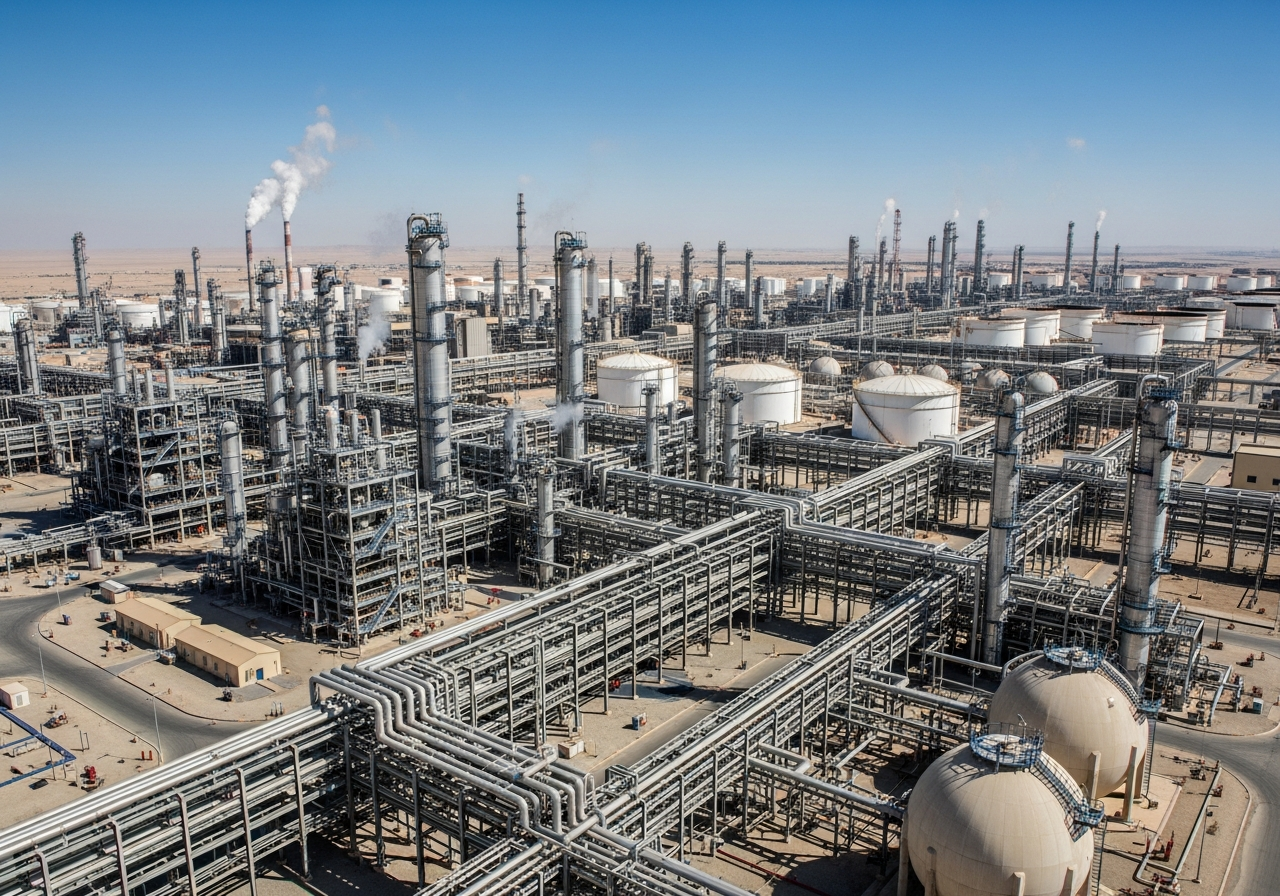
Seamless Pipes Supplier to Saudi Arabia
Supplying premium seamless pipes to Saudi Arabia's largest projects

Boiler Tubes Supplier for Qatar Projects
Supplying high-performance boiler and heat exchanger tubes to Qatar
Seamless Pipes Supplier to Saudi Arabia
Supplying premium seamless pipes to Saudi Arabia's largest projects
Boiler Tubes Supplier for Qatar Projects
Supplying high-performance boiler and heat exchanger tubes to Qatar
Additional Information About This Page
Titanium Alloy Pipe Grades and Specifications
Titanium Alloy Pipe Features and Applications
Titanium Alloy Pipe Sizes, Supply, and Custom Options
Titanium alloy pipes are engineered for demanding service where strength, low weight, and corrosion resistance must work together. In industrial systems, these pipes are selected for applications that challenge conventional stainless steel, copper alloys, and carbon steel. Their performance in chloride-bearing media, oxidizing environments, and elevated temperature service makes them a practical choice for critical process lines, heat exchangers, condensers, offshore systems, and high-purity installations. For buyers focused on lifecycle value, titanium alloy pipe can reduce maintenance frequency, improve uptime, and support long service life in aggressive operating conditions.
Compared with many traditional metallic piping materials, titanium alloy offers a high strength-to-weight ratio. This allows engineers to reduce overall system weight without sacrificing mechanical integrity. In sectors such as chemical processing, marine engineering, desalination, power generation, aerospace support systems, and oil and gas, lower weight can simplify installation, reduce structural load, and improve handling during fabrication. At the same time, titanium alloy pipes maintain excellent resistance to seawater, many acids, wet chlorine environments, and a wide range of industrial fluids.
Industrial buyers often specify titanium alloy pipes when process reliability is a priority. The naturally forming oxide film on titanium provides a stable protective barrier that helps resist corrosion in many severe environments. This characteristic supports long-term performance in piping networks exposed to brine, saltwater, bleach-related media, and contaminated water streams. In heat transfer systems, titanium alloy pipe is also valued for maintaining clean surfaces and resisting localized attack, which can help preserve efficiency over time.
Titanium Alloy Pipe Features and Material Benefits
The main advantage of titanium alloy pipe is the combination of corrosion resistance and mechanical performance. Pure titanium grades are widely used for corrosion-focused applications, while titanium alloys are chosen when additional strength, temperature capability, or specific fabrication characteristics are required. Depending on grade selection, titanium alloy pipes can deliver strong resistance to pitting, crevice corrosion, stress-related degradation in selected environments, and erosion from flowing media. This makes them suitable for both static and dynamic service conditions.
Titanium alloy seamless pipe is often preferred for high-integrity systems that require uniform structure and dependable pressure performance. Seamless construction can be beneficial in process piping, instrumentation lines, hydraulic systems, and high-specification industrial installations. Titanium alloy welded pipe is also used across many sectors where dimensional consistency, cost efficiency, and reliable corrosion resistance are important. The right manufacturing route depends on pipe size, wall thickness, service pressure, fabrication method, and project specifications.
Available product forms typically include seamless pipes, welded pipes, fabricated lengths, and custom-cut sections. Buyers may request a range of outside diameters, wall thicknesses, and lengths to suit plant requirements. Common specifications can include ASTM and ASME standards depending on the intended application, grade, and inspection scope. Material traceability, dimensional control, and quality documentation are important considerations for industrial procurement teams, especially for projects in regulated sectors or corrosive process environments.
Titanium alloy pipes are commonly produced in grades such as Grade 2, Grade 5, Grade 7, Grade 9, Grade 12, and other titanium-based alloys depending on end use. Grade selection should always align with the service environment, pressure requirements, fabrication needs, and applicable code standards. For example, some grades are favored for superior corrosion resistance in chemical service, while others are selected for higher strength in aerospace-related or structural systems. A knowledgeable supplier can help match alloy chemistry and product form to the operating conditions of the project.
Fabrication performance is another key reason engineers choose titanium alloy pipe. With proper procedures, these materials can be cut, formed, and welded into complex piping systems. Clean handling is essential to preserve surface quality and avoid contamination during processing. In fabrication shops and field installations, attention to welding parameters, shielding practices, and post-fabrication inspection helps ensure the finished system performs as intended. For customers sourcing titanium alloy pipes for critical service, manufacturing experience and process control are as important as the base material itself.
Applications, Supply Options, and Quality Considerations
Titanium alloy pipes are used across a wide range of industries where corrosion, weight, or temperature performance creates challenges for standard piping materials. In chemical processing plants, they are used for transfer lines, reactor support systems, and heat exchanger tubing circuits exposed to aggressive media. In marine and offshore environments, titanium alloy pipe is specified for seawater cooling, firewater systems, ballast lines, and desalination equipment because of its excellent resistance to saltwater corrosion. In power generation, these pipes support condenser systems, flue gas treatment units, and auxiliary process lines that demand long-term material stability.
In oil and gas operations, titanium alloy pipes may be selected for topside marine systems, produced water handling, and specialty service lines where corrosion resistance and weight reduction are valuable. In pulp and paper processing, they are used in bleach plant systems and other corrosive chemical circuits. Pharmaceutical, biotech, and high-purity process industries may also use titanium alloy piping where cleanliness, durability, and compatibility with specific media are required. Because the material performs well in many harsh environments, it is often considered for upgrades intended to reduce replacement cycles and unplanned shutdowns.
When sourcing titanium alloy pipes, buyers typically evaluate more than just price. They look for consistent chemistry, mechanical properties, dimensional accuracy, and reliable surface condition. Mill test reports, non-destructive testing, hydrostatic or pressure testing where applicable, and third-party inspection support can all be part of the supply package. For project work, suppliers may also provide custom lengths, end preparation, polishing, marking, export packaging, and documentation tailored to EPC contractors, fabricators, and end users.
A dependable titanium alloy pipe supplier should be able to support both standard and custom requirements. This includes assistance with grade selection, specification review, and production planning for domestic or export orders. For large industrial projects, coordinated delivery schedules and clear communication on lead times are essential. Whether the requirement is for titanium alloy seamless pipe, titanium alloy welded pipe, or custom titanium piping components, supply reliability has a direct impact on project execution and maintenance planning.
Quality assurance is especially important for titanium alloy pipes because they are often installed in critical systems with high performance expectations. Reputable manufacturers follow controlled production processes and inspection procedures to verify dimensions, material identity, and overall product integrity. Depending on the specification, testing may include chemical analysis, tensile testing, flattening or flaring tests, visual inspection, eddy current testing, ultrasonic examination, or other checks required by the standard. Proper packaging and handling also help protect the material during transit and storage before fabrication.
For companies planning long-term investments in corrosion-resistant piping, titanium alloy pipes offer a strong balance of durability, performance, and lifecycle efficiency. The right product can deliver dependable service in environments that rapidly degrade other materials, helping reduce downtime and replacement costs. By selecting the appropriate grade, manufacturing method, and inspection level, buyers can obtain titanium alloy pipe that meets demanding industrial requirements while supporting safe and efficient operation. If your project calls for high-performance piping for marine, chemical, power, or specialty process service, titanium alloy pipes are a proven solution for modern industrial systems.
Titanium Alloy Pipes Specifications and Grades
Applications and Benefits of Titanium Alloy Pipes
Custom Titanium Alloy Pipe Sizes and Supply Options
Titanium Alloy Pipes for Corrosion Resistance, Strength, and Long Service Life
Titanium alloy pipes are widely used in demanding industrial systems where corrosion resistance, high strength-to-weight ratio, and reliable long-term performance are critical. Compared with many conventional metal pipe materials, titanium alloy pipe offers excellent resistance to seawater, chlorides, oxidizing acids, and a broad range of aggressive process media. This makes titanium alloy tubing and pipe a preferred choice for chemical processing, marine engineering, offshore platforms, power generation, aerospace support systems, desalination plants, and high-purity industrial applications.
For manufacturers, EPC contractors, and industrial buyers, selecting the right titanium alloy pipe means balancing mechanical performance, fabrication requirements, operating temperature, and corrosion conditions. Titanium alloys are valued not only for their ability to withstand harsh environments, but also for helping reduce maintenance frequency, unplanned shutdowns, and lifecycle costs. In systems where contamination control and material reliability matter, titanium pipe can deliver stable performance over extended service periods.
Industrial titanium pipes are available in commercially pure titanium grades as well as alloyed grades developed to improve strength, weldability, and elevated-temperature capability. Common choices include Grade 2 titanium pipe for general corrosion service and Grade 5 titanium alloy pipe for applications requiring higher strength. Depending on the project specification, titanium alloy seamless pipe and welded titanium pipe can be supplied in a range of outside diameters, wall thicknesses, and lengths to meet process, structural, or fabrication needs.
One of the main reasons buyers specify titanium alloy pipes is their exceptional corrosion behavior. Titanium naturally forms a stable, protective oxide film on its surface. This passive layer helps the material resist attack in many oxidizing and chloride-containing environments. In seawater service, titanium pipe is especially recognized for its durability and resistance to pitting and crevice corrosion under properly controlled operating conditions. This performance supports its use in heat exchangers, condenser systems, cooling water lines, and marine process piping.
In addition to corrosion resistance, titanium alloy pipe provides strong mechanical properties with relatively low density. This combination allows engineers to reduce system weight without sacrificing structural integrity. In offshore, marine, and aerospace-related installations, lower weight can simplify handling, support design, and transportation. For process plants and industrial skids, titanium alloy tubing can also contribute to efficient equipment layouts where compact, high-performance materials are required.
Fabrication performance is another important consideration. Titanium alloy pipes can be formed, welded, and machined using suitable procedures and clean handling practices. Proper fabrication is essential because titanium can react with contaminants at elevated temperatures. With qualified welding methods and controlled production processes, titanium pipe systems can achieve dependable joint integrity and consistent service performance. Buyers often request material test reports, dimensional inspection, and compliance with relevant ASTM or ASME standards to ensure product quality and traceability.
Seamless titanium alloy pipe is often selected for high-integrity applications where uniform structure and pressure performance are priorities. Welded titanium pipe can be an efficient option for larger diameters or project-specific fabrication requirements. The right manufacturing route depends on the pressure class, service environment, dimensional tolerance, and end-use code requirements. In either case, consistent chemistry control, mechanical testing, and surface quality are important factors in final product performance.
Many industries use titanium alloy pipes because they support both performance and sustainability goals. The long service life of titanium in corrosive environments can reduce replacement frequency and material waste. Its durability may also lower the need for corrosion inhibitors, coatings, or extensive maintenance programs. Over the full operating life of a plant, these advantages can translate into lower total cost of ownership even when the initial material cost is higher than some stainless steel or nickel alloy alternatives.
Applications, Specifications, and Supply Considerations
Titanium alloy pipes are used across a broad range of industrial applications. In chemical processing plants, they are found in transfer lines, reactor support systems, heat exchanger piping, and equipment handling corrosive fluids. In marine and offshore sectors, titanium pipe is used for seawater cooling systems, firewater lines, ballast systems, and desalination units. In power generation, titanium alloy tubing and pipe may be specified for condenser service, flue gas desulfurization support, and auxiliary systems exposed to aggressive water chemistry. Additional applications include pulp and paper, hydrometallurgy, pharmaceutical processing, and high-purity manufacturing environments.
When specifying titanium alloy pipe, buyers typically review grade, size range, wall thickness, pressure requirements, manufacturing method, and inspection scope. Product requirements may include seamless or welded construction, plain ends or beveled ends, custom cut lengths, and project-specific packaging. Surface finish, straightness, ovality, and tolerance control can also be important depending on whether the pipe will be used for process piping, fabrication into equipment, or precision industrial assemblies.
Relevant standards often play a central role in procurement. Titanium pipe and titanium alloy tube may be produced to recognized ASTM and ASME specifications, subject to grade and application. Mechanical property verification, chemical composition analysis, hydrostatic or nondestructive testing, and dimensional inspection may be part of the quality plan. For critical projects, additional documentation such as PMI, third-party inspection, and full traceability can support compliance and end-user approval processes.
Choosing a titanium alloy pipe supplier involves more than checking stock availability. Industrial buyers often look for stable raw material sourcing, production expertise, strict quality control, and the ability to support custom requirements. A dependable supplier should be able to assist with material selection, provide clear technical data, and coordinate packaging and logistics for domestic or export delivery. For project business, responsiveness on lead time, certification, and documentation can be just as important as the pipe itself.
Because titanium alloys are used in high-value and technically demanding applications, consistency in manufacturing is essential. Pipe quality can be influenced by melting practice, forming route, heat treatment, welding control, and final inspection. Reliable suppliers focus on maintaining dimensional accuracy, clean internal and external surfaces, and repeatable mechanical performance. These factors help downstream fabricators and end users reduce rework, improve installation efficiency, and maintain confidence in service reliability.
For buyers comparing materials, titanium alloy pipes often stand out where stainless steel may face chloride attack or where heavier alloys increase structural load. While final material selection should always be based on actual service conditions, titanium pipe is frequently considered for systems requiring a combination of corrosion resistance, moderate-to-high strength, and low weight. It is especially attractive in applications where downtime is costly and long-term durability is a priority.
Custom supply options are commonly available for titanium alloy seamless pipe, welded pipe, and titanium tubing products. These may include project-based dimensions, special testing, end preparation, polishing, and export-grade packing. Depending on the application, buyers may request pipe for fabrication into heat exchangers, condensers, pressure systems, or corrosion-resistant process lines. Early technical review helps ensure the selected titanium alloy grade and pipe specification match the intended operating environment.
If you are sourcing titanium alloy pipes for industrial use, it is important to define the service medium, temperature range, pressure conditions, and fabrication method before procurement. This information helps identify the most suitable grade and manufacturing route while avoiding over-specification or under-performance. With the right material choice and quality-controlled production, titanium alloy pipe can provide dependable service in some of the most challenging industrial environments.
Titanium Alloy Pipes Specifications and Grades
Applications of Titanium Alloy Pipes by Industry
Why Choose Our Titanium Alloy Pipes Supplier
Titanium alloy pipes are engineered for demanding industrial service where high strength, low weight, and corrosion resistance are critical. Compared with many conventional metal pipe materials, titanium alloys offer an excellent strength-to-weight ratio and stable performance in aggressive process environments. These properties make titanium alloy pipe a practical choice for chemical processing, marine systems, offshore platforms, power generation, aerospace support equipment, desalination plants, and other applications that require long service life with reduced maintenance.
For buyers evaluating high-performance piping materials, titanium alloy tubing and pipe products can provide a strong balance of mechanical reliability and corrosion durability. Titanium forms a stable, protective oxide layer on its surface, helping resist attack from seawater, chlorides, oxidizing acids, and many industrial fluids. In systems where contamination, scaling, or premature failure must be minimized, titanium alloy pipes are often selected to improve operational consistency and lower lifecycle costs.
Titanium Alloy Pipe Features and Material Advantages
One of the main advantages of titanium alloy pipes is corrosion resistance across a wide range of service conditions. In marine and coastal environments, titanium performs especially well because it resists seawater corrosion and biofouling-related degradation better than many traditional alloys. This makes titanium alloy pipe suitable for seawater cooling lines, heat exchanger systems, condenser tubing, desalination units, and offshore fluid handling systems.
In chemical processing plants, titanium alloy tubing is used where process streams may contain chlorides, oxidizing media, wet chlorine, or other corrosive compounds. The material’s resistance to pitting, crevice corrosion, and stress corrosion cracking in many environments can help improve plant uptime. For engineers designing systems for long-term reliability, titanium alloy pipe supports safe operation in applications that demand both structural integrity and chemical compatibility.
Another key benefit is high specific strength. Titanium alloys can deliver strong mechanical performance while remaining significantly lighter than many steel and nickel-based alternatives. This weight advantage can simplify installation, reduce structural loading, and support more efficient equipment design. In aerospace-related ground systems, offshore modules, and mobile industrial equipment, lower component weight can be a meaningful engineering benefit without sacrificing performance.
Titanium alloy pipes also maintain useful properties over a broad temperature range. Depending on the grade and specification, they can be used in elevated-temperature service as well as low-temperature applications where toughness and reliability matter. This versatility supports use in process piping, pressure systems, instrumentation lines, and specialized fabrication projects that require a combination of corrosion resistance and mechanical strength.
Surface quality, dimensional accuracy, and weldability are also important considerations when sourcing titanium alloy pipe. High-quality manufacturing helps ensure consistent wall thickness, roundness, and straightness for easier fabrication and installation. Titanium can be fabricated into seamless pipe, welded pipe, and custom tube forms to meet project requirements. With proper procedures, titanium alloy pipes can be cut, formed, and welded for integration into complex industrial systems.
Common product options may include commercially pure titanium grades as well as alloyed grades such as Ti-6Al-4V and other titanium alloys selected for specific mechanical or corrosion performance targets. Grade selection depends on the intended service environment, pressure requirements, fabrication method, and applicable industry standards. For this reason, material review should always consider the full operating profile of the application, including temperature, media composition, flow conditions, and inspection requirements.
Applications, Supply Options, and Sourcing Considerations
Titanium alloy pipes are used in a broad range of industries because they address both performance and durability challenges. In power generation, they are applied in condensers, cooling water systems, and heat recovery equipment exposed to corrosive fluids. In marine engineering, titanium alloy pipe is used for seawater intake and discharge lines, onboard cooling systems, fire protection lines, and subsea support systems. In oil and gas operations, especially offshore, titanium piping can help reduce corrosion-related downtime in topside and seawater service applications.
In the chemical and petrochemical sectors, titanium alloy tubing is often specified for reactors, heat exchangers, evaporators, filter systems, and transfer lines where process purity and corrosion resistance are essential. Desalination plants rely on titanium components because of their durability in chloride-rich environments. Pulp and paper facilities, hydrometallurgy operations, and environmental control systems also use titanium alloy pipe where aggressive media can quickly degrade less resistant materials.
Medical, pharmaceutical, and high-purity industrial processes may also benefit from titanium alloy pipes when cleanliness, corrosion resistance, and material stability are priorities. While each application has its own regulatory and technical requirements, titanium’s inert surface behavior in many environments supports use in systems where product integrity must be protected. For specialized projects, custom titanium alloy tubing dimensions and fabrication support may be required to meet exact performance and installation needs.
When sourcing titanium alloy pipe, buyers typically review several factors: alloy grade, manufacturing method, size range, wall thickness, pressure rating, tolerances, test requirements, and compliance with relevant ASTM, ASME, DIN, EN, or other project specifications. Seamless titanium alloy pipes are often selected for high-integrity applications, while welded titanium pipes may be appropriate where dimensional needs and cost targets align with the service conditions. Mill test reports, chemical composition verification, mechanical testing, non-destructive examination, and surface inspection can all be important parts of quality assurance.
Reliable titanium alloy pipe suppliers should be able to support standard and custom requirements, including cut lengths, special dimensions, end finishing, and project documentation. Depending on the order, products may be supplied in straight lengths or fabricated components for downstream processing. For industrial procurement teams, consistent traceability and clear technical communication are essential when purchasing titanium alloy tubing for critical service.
Because titanium is a premium engineering material, total cost should be evaluated over the full service life rather than by initial purchase price alone. In many corrosive applications, titanium alloy pipes can reduce replacement frequency, maintenance labor, system downtime, and contamination risk. This can make them a cost-effective long-term solution, especially in systems where failure has high operational or safety consequences.
Selecting the right titanium alloy pipe starts with a clear understanding of the application. Media chemistry, operating temperature, pressure, flow velocity, fabrication method, and code requirements all influence material choice. With the correct grade and manufacturing quality, titanium alloy pipes deliver dependable performance in some of the most challenging industrial environments. For companies seeking durable, lightweight, and corrosion-resistant piping products, titanium alloy tubing remains a proven solution for modern process and infrastructure systems.
Titanium Alloy Pipes Specifications and Grades
Applications of Titanium Alloy Pipes
Why Choose Our Titanium Alloy Pipes
Titanium Alloy Pipes for Corrosion Resistance, Strength, and Long Service Life
Titanium alloy pipes are used in demanding industrial environments where corrosion resistance, high specific strength, and reliable long-term performance are essential. Compared with many conventional metal pipe materials, titanium alloys offer an excellent balance of low density, mechanical strength, and resistance to aggressive media. This makes titanium alloy pipe a practical choice for process systems that handle seawater, chlorides, oxidizing acids, wet chlorine, and other corrosive fluids that can rapidly degrade carbon steel or even some stainless steel grades.
For manufacturers, EPC contractors, and industrial end users, selecting the right titanium alloy pipe can improve system reliability, reduce maintenance frequency, and support lower lifecycle cost. In many applications, the initial material investment is offset by extended service life, reduced downtime, and lower replacement requirements. Titanium alloy tubing and pipe products are commonly specified for heat exchangers, condensers, desalination units, offshore systems, chemical processing lines, power generation equipment, and marine service.
Our titanium alloy pipes are supplied for projects that require consistent quality, dimensional accuracy, and traceable material control. Depending on the application, titanium pipe can be produced in seamless or welded forms and supplied in a range of sizes, wall thicknesses, and lengths. Material selection is based on operating temperature, pressure, corrosion conditions, fabrication requirements, and applicable industry standards.
Commercially pure titanium grades are often selected for outstanding corrosion resistance in many chemical and marine environments, while titanium alloy grades are chosen when higher strength or additional performance characteristics are required. Popular materials used for titanium piping systems include Grade 2 titanium for general corrosion-resistant service and Grade 5 titanium alloy where increased strength is needed. Other grades may be specified based on project design criteria, code compliance, and end-use conditions.
One of the main advantages of titanium alloy pipe is its natural oxide film, which provides strong resistance to a wide range of corrosive media. This passive layer reforms quickly when exposed to oxygen, helping protect the base metal from attack. In seawater service, titanium has a well-established reputation for resisting pitting, crevice corrosion, and microbiologically influenced conditions that can challenge alternative alloys. For coastal plants, offshore platforms, and desalination facilities, titanium alloy pipes can deliver dependable performance over extended periods.
In chemical processing, titanium alloy pipes are used for handling oxidizing acids, chloride-bearing streams, bleaching chemicals, and process water. Their corrosion resistance supports cleaner operation and helps maintain product purity in systems where contamination from corroding pipe materials is unacceptable. Industries such as chlor-alkali, pulp and paper, fertilizer, petrochemical, and specialty chemicals often evaluate titanium piping for critical lines where material failure would create safety, environmental, or production risks.
The strength-to-weight ratio of titanium alloys is another major benefit. Titanium alloy pipes provide high mechanical performance at a lower weight than many nickel alloys or steels, which can simplify handling, reduce support loads, and improve installation efficiency. In engineered systems where weight matters, such as offshore modules, marine vessels, and aerospace-related industrial equipment, this can be a significant design advantage.
Titanium alloy pipes also perform well across a broad temperature range. While exact service limits depend on the grade and application, titanium alloys can retain useful strength at elevated temperatures and maintain toughness in low-temperature environments. This versatility allows engineers to consider titanium pipe for both ambient and specialized process conditions. Proper grade selection, fabrication practice, and design review remain important to ensure safe and effective performance in service.
Manufacturing quality is critical for any industrial pipe product, especially when the material is used in corrosive or high-value process systems. Titanium alloy pipe production typically involves controlled forming, welding, heat treatment where required, dimensional inspection, and non-destructive testing. Surface condition, weld integrity, straightness, wall uniformity, and end preparation all influence installation quality and long-term service behavior. Traceability from raw material to finished pipe is also important for regulated and specification-driven projects.
Buyers often request titanium alloy pipes in accordance with recognized ASTM, ASME, and other international standards. Common requirements may include chemical composition verification, mechanical property testing, hydrostatic or non-destructive examination, and documentation such as mill test certificates. Depending on project scope, additional testing can include PMI, ultrasonic testing, eddy current inspection, flattening tests, flaring tests, and dimensional checks. These controls help confirm that the supplied titanium pipe meets the intended design and quality requirements.
Applications, Grades, and Supply Considerations for Titanium Alloy Pipe
Titanium alloy pipes are used across a wide range of sectors where corrosion resistance and durability are critical. In seawater cooling systems, they are installed in condenser lines, heat exchanger circuits, and intake or discharge piping. In desalination plants, titanium pipe supports long-term exposure to saline water and brine. In offshore oil and gas facilities, titanium alloy piping may be selected for firewater systems, topside process lines, and marine utility service. In power plants, titanium tubes and pipes are used in condensers and auxiliary systems exposed to aggressive water chemistry.
Marine and shipbuilding applications also benefit from titanium alloy pipe because of its resistance to seawater corrosion and biofouling-related issues. Chemical plants use titanium piping for reactors, transfer lines, scrubbers, and storage-related systems. Pulp and paper mills specify titanium alloy pipes in bleaching operations where chloride-containing chemicals can be highly corrosive. In pharmaceutical and high-purity process environments, titanium may be considered where cleanliness, corrosion resistance, and product compatibility are priorities.
When choosing a titanium alloy pipe, engineers typically review several factors: fluid composition, chloride content, pH, temperature, pressure, flow rate, erosion potential, and fabrication method. Weldability is an important consideration because titanium requires controlled procedures to prevent contamination during joining. Proper shielding with inert gas during welding helps preserve corrosion resistance and mechanical properties. For this reason, experienced fabrication and quality control are essential when titanium alloy piping is installed in critical service.
Pipe dimensions and product form are selected according to the system design. Seamless titanium alloy pipes are often preferred for applications that demand uniform structure and high integrity, while welded titanium pipes can offer an efficient solution for larger diameters or specific project requirements. Surface finish, tolerance, and end type can be supplied to suit fabrication and installation needs, including plain ends, beveled ends, or custom cut lengths.
In procurement, consistency and documentation are as important as the material itself. Industrial buyers typically look for a titanium alloy pipe supplier that can support grade selection, standard compliance, inspection requirements, and export packaging. Reliable supply includes clear identification, batch traceability, and protection of the pipe surface during storage and shipment. Because titanium is often used in high-value systems, careful packaging and handling are necessary to avoid surface damage or contamination before installation.
As a material for severe service, titanium alloy pipe offers a strong combination of corrosion resistance, mechanical performance, and lifecycle value. Whether the requirement is for marine piping, chemical processing pipe, heat exchanger service, or custom industrial fabrication, titanium alloys provide a proven solution for applications where failure is not an option. With the right grade, manufacturing quality, and technical support, titanium alloy pipes can help industrial operators achieve safer operation, longer service intervals, and dependable process performance.
If your project requires titanium alloy pipes for corrosive media, seawater systems, or high-performance industrial service, material and specification alignment are key. Grade selection, dimensional requirements, testing scope, and documentation should all match the operating conditions and project standards. A qualified titanium pipe manufacturer can help ensure the supplied product meets both performance expectations and procurement requirements for demanding industrial applications.
Titanium Alloy Pipes: Grades and Specifications
Applications and Benefits of Titanium Alloy Pipes
Custom Titanium Alloy Pipe Sizes and Supply Options
Titanium Alloy Pipes: Grades, Sizes & Specifications
Applications and Benefits of Titanium Alloy Pipes
Why Choose Our Titanium Alloy Pipes Supplier
Titanium Alloy Pipes for Corrosion Resistance, Strength, and Long Service Life
Titanium alloy pipes are widely used in demanding industrial systems where corrosion resistance, low weight, and dependable mechanical performance are critical. Compared with many conventional metal pipe materials, titanium alloys offer an excellent balance of strength, durability, and resistance to aggressive media. For manufacturers, EPC contractors, and plant operators, titanium alloy pipe can support long operating cycles in environments that challenge stainless steel, copper alloys, and carbon steel.
At the product level, titanium alloy pipes are selected for applications involving seawater, chloride-bearing fluids, oxidizing acids, wet chlorine, and high-purity process streams. Their naturally forming oxide film helps protect the pipe surface and contributes to outstanding resistance in many corrosive conditions. This makes titanium alloy tubing and pipe a preferred option for heat exchangers, condensers, desalination systems, offshore platforms, chemical processing units, and power generation equipment.
In addition to corrosion performance, titanium alloy pipes are valued for their high strength-to-weight ratio. The lower density of titanium compared with many other engineering metals can help reduce system weight without sacrificing structural integrity. This is especially important in marine, aerospace, and offshore applications where weight savings can improve installation efficiency and overall system design. For industrial buyers, the result is a pipe solution that combines reliability with long-term value.
Our titanium alloy pipes are supplied for projects that require consistent quality, dimensional accuracy, and traceable manufacturing. Depending on the service environment, titanium pipe can be produced in commercially pure grades or alloy grades that provide enhanced strength and temperature capability. Common product forms include seamless titanium alloy pipe, welded titanium alloy pipe, and titanium alloy tubes for process and heat transfer applications.
Seamless titanium alloy pipes are often specified when high integrity and uniform wall structure are required. They are used in pressure service, critical process lines, and systems where weld-free construction is preferred. Welded titanium alloy pipes can provide an efficient solution for larger diameters and applications where precise fabrication and cost control are important. Material selection depends on fluid chemistry, operating temperature, pressure conditions, and fabrication requirements.
Commonly requested grades include Grade 2 titanium pipe for excellent corrosion resistance and formability, Grade 5 titanium alloy pipe for higher strength, and other titanium alloy options tailored to specific industrial standards. Grade selection should always be matched to the intended service conditions. In many chemical and marine environments, commercially pure titanium is chosen for its broad corrosion resistance. Where greater mechanical strength is needed, alloyed titanium grades may be more suitable.
Titanium alloy pipes are used across a broad range of industries. In chemical processing, they are installed in piping systems that handle corrosive liquids, chlorides, and oxidizing compounds. In marine and desalination plants, titanium pipe is used for seawater intake, brine handling, condenser tubing, and heat exchanger service because of its resistance to seawater corrosion and biofouling-related degradation. In power generation, titanium alloy tubing supports condenser and cooling water systems that demand long service life and low maintenance.
Oil and gas operators also use titanium alloy pipes in selected offshore and topside systems where corrosion risk, weight reduction, and reliability are major design considerations. In pulp and paper production, titanium pipe can perform well in bleaching and chemical recovery environments. In pharmaceutical and high-purity process systems, titanium alloys may be selected where clean surfaces, corrosion resistance, and product integrity are important. These varied applications demonstrate why titanium alloy pipe remains a strategic material for severe service conditions.
Manufacturing, Specifications, and Supply Capabilities
Quality titanium alloy pipes begin with controlled raw material sourcing and disciplined manufacturing processes. Production may include billet preparation, extrusion, piercing, rolling, welding, heat treatment, straightening, surface finishing, and non-destructive inspection. Each stage affects the final pipe performance, dimensional tolerance, and surface condition. For industrial projects, consistency in chemistry, microstructure, and mechanical properties is essential to ensure the material performs as specified in service.
Titanium alloy pipe is commonly manufactured to recognized international standards and customer-specific technical requirements. Depending on the application, products may be supplied to ASTM, ASME, DIN, EN, or other relevant specifications. Buyers typically evaluate outside diameter, wall thickness, length, end finish, tolerance, pressure rating, and testing requirements when sourcing titanium alloy pipes. Documentation may include mill test certificates, chemical analysis, mechanical test results, dimensional inspection records, and traceability data.
Surface quality is another important consideration for titanium alloy tubing and pipe. Clean internal and external surfaces can support better fabrication, welding, and service performance. Pipes may be supplied with pickled, polished, or as-processed finishes depending on project needs. For heat exchanger and condenser applications, tight dimensional control and consistent wall thickness are especially important because they influence fit-up, thermal performance, and long-term reliability.
Fabrication characteristics should also be considered during material selection. Titanium alloy pipes can be cut, formed, and welded using qualified procedures designed for titanium materials. Proper handling is important to maintain cleanliness and avoid contamination during fabrication. When processed correctly, titanium pipe can be integrated into complex industrial systems with strong, corrosion-resistant joints and dependable in-service performance. Engineering teams often review weldability, bend requirements, flange compatibility, and installation conditions before finalizing a purchase specification.
For procurement teams, supply reliability matters as much as material performance. Titanium alloy pipe manufacturers and suppliers are expected to provide stable production capacity, responsive technical support, and flexible order quantities for both standard and custom requirements. Projects may require a range of sizes, from small-diameter titanium alloy tubes to large-diameter process piping. Custom lengths, special tolerances, and project-specific packaging can help reduce handling time and simplify installation at the job site.
When evaluating titanium alloy pipes for a project, it is important to consider the total lifecycle cost rather than only the initial material price. Although titanium alloy pipe often has a higher upfront cost than some alternative materials, its resistance to corrosion, low maintenance needs, and long service life can reduce replacement frequency and downtime. In many aggressive environments, this can translate into lower total ownership cost and improved operational continuity over time.
Choosing the right titanium alloy pipe supplier also supports better project outcomes. Experienced manufacturers understand grade selection, application requirements, and quality assurance expectations for industrial sectors such as chemical processing, marine engineering, power generation, and oil and gas. They can help align pipe specifications with service conditions and provide the documentation needed for quality control and compliance.
If your application requires titanium alloy pipes with dependable corrosion resistance, high strength-to-weight performance, and consistent manufacturing quality, a tailored supply solution can support both new construction and replacement projects. Whether the requirement is seamless titanium alloy pipe, welded titanium alloy tubing, or custom titanium pipe sizes, the right material and production controls are essential for safe, efficient, and long-lasting industrial service.
Titanium Alloy Pipes for Corrosion Resistance, Strength, and Long Service Life
Titanium alloy pipes are used in demanding industrial systems where corrosion resistance, low weight, and dependable mechanical performance are critical. Compared with many conventional metal pipe materials, titanium alloys offer an excellent balance of strength, durability, and resistance to aggressive media. For this reason, titanium alloy pipe is widely specified for chemical processing, marine service, power generation, offshore equipment, aerospace support systems, desalination plants, and high-purity industrial applications.
As a manufacturer and supplier of industrial pipe products, we provide titanium alloy pipes for customers that need consistent quality, dimensional accuracy, and reliable performance in severe operating environments. Our product range is designed to support projects that require long-term resistance to seawater, chlorides, oxidizing acids, and other corrosive conditions that can shorten the life of standard steel or stainless steel piping. Titanium alloy tubing and pipe can help reduce maintenance frequency, limit unplanned shutdowns, and improve total lifecycle value.
One of the main advantages of titanium alloy pipes is their naturally forming oxide film, which gives the material outstanding corrosion resistance in many process environments. This protective surface layer helps titanium pipe maintain integrity even when exposed to moisture, saltwater, and a wide range of chemical media. In applications where contamination control is important, titanium alloy pipe also offers a clean, stable surface that supports product purity and process reliability.
Titanium alloys are also valued for their high strength-to-weight ratio. A titanium alloy pipe can deliver strong structural performance while remaining significantly lighter than many alternative metal piping materials. This weight advantage can simplify handling, reduce support loads, and support more efficient equipment design in systems where mass reduction matters. In offshore, marine, and aerospace-related industrial applications, this combination of strength and lower weight is especially beneficial.
Our titanium alloy pipes are available for use in both seamless and welded pipe requirements, depending on project specifications, pressure conditions, dimensional needs, and fabrication preferences. We support a range of sizes, wall thicknesses, and lengths to meet the needs of industrial contractors, EPC companies, OEMs, and end users. Whether the application calls for straight lengths, custom cut pieces, or material for further fabrication, we focus on delivering pipe products that align with technical and commercial requirements.
Common titanium grades used for industrial pipe include commercially pure titanium and titanium alloys selected for enhanced strength or specific service conditions. Grade selection depends on the intended environment, operating temperature, pressure, fabrication method, and code requirements. Commercially pure grades are often chosen for their excellent corrosion resistance and formability, while alloy grades such as titanium alloy pipe with aluminum and vanadium additions may be selected when higher strength is needed. Material choice should always be matched to the actual process conditions and engineering design criteria.
In chemical processing plants, titanium alloy pipes are frequently used for heat exchangers, transfer lines, reactor systems, and piping networks that handle corrosive fluids. Their resistance to many chlorides and oxidizing media makes them a practical option for systems where pitting, crevice corrosion, or rapid material degradation would be a concern with other metals. In marine and offshore environments, titanium alloy pipe is used in seawater cooling systems, firewater lines, desalination equipment, and platform utility systems because of its proven resistance to seawater corrosion and biofouling-related challenges.
Power generation and energy projects also benefit from titanium alloy tubing and pipe in condensers, cooling water systems, flue gas desulfurization units, and specialized balance-of-plant applications. In these environments, long service life and reduced maintenance can justify the use of titanium materials, especially where downtime is costly. For industrial sectors focused on reliability and lifecycle cost, titanium alloy pipes can provide a strong return through reduced replacement frequency and improved system availability.
Fabrication performance is another important consideration. Titanium alloy pipes can be formed, welded, and machined using controlled procedures suited to titanium materials. Clean handling and proper process control are essential to preserve corrosion resistance and mechanical properties. Our manufacturing and supply approach emphasizes material traceability, dimensional consistency, and product quality to support downstream fabrication and installation. Customers sourcing titanium alloy pipe for critical systems often require dependable documentation, and we can support project requirements for material identification and quality records where applicable.
Because titanium is often selected for severe service, dimensional precision and surface condition matter. Industrial buyers typically look for titanium alloy pipes with consistent outside diameter, wall thickness, straightness, and finish quality to ensure efficient fit-up and reliable performance in fabrication. We understand the needs of project engineers, procurement teams, and fabricators who require pipe products that integrate smoothly into production schedules and field installation plans. Our goal is to supply titanium alloy tubing and pipe that meets practical manufacturing and operational expectations.
When evaluating titanium alloy pipe for a project, several factors should be reviewed carefully. These include the chemistry of the process media, operating temperature, pressure rating, flow conditions, joint design, fabrication method, and applicable industry standards. Titanium performs exceptionally well in many corrosive environments, but material selection should always be based on a full technical assessment. Our team works with customers to help align product type, grade, and dimensions with the intended service conditions and project scope.
Applications, Supply Capabilities, and Product Considerations
Titanium alloy pipes are used across a broad range of industries that require dependable performance under corrosive or high-demand conditions. Typical applications include chemical transfer systems, seawater piping, condenser tubing, desalination units, pulp and paper processing, pharmaceutical equipment, pollution control systems, and specialized industrial process lines. In each of these sectors, the value of titanium alloy pipe comes from its ability to combine corrosion resistance, mechanical reliability, and long-term service stability.
For OEMs and industrial fabricators, titanium alloy tubing can be an effective material choice for skids, modules, pressure-related components, and custom assemblies where weight, corrosion resistance, and service life are all important. For plant operators, titanium alloy pipes can support safer and more reliable operation in systems exposed to challenging fluids or harsh outdoor environments. For engineering firms and procurement specialists, sourcing from an experienced industrial pipe manufacturer helps reduce risk related to quality consistency, specification compliance, and delivery performance.
We support customer requirements for titanium alloy pipes with attention to material quality, manufacturing control, and practical project needs. Product availability may include multiple diameters, schedules, and custom specifications based on application demands. Depending on the project, additional requirements such as testing, inspection, end finishing, marking, packaging, and export preparation may also be addressed. This helps ensure that titanium alloy pipe arrives ready for efficient storage, fabrication, and installation.
Quality is especially important for titanium products because they are often used in critical service. Buyers commonly request verification of chemical composition, mechanical properties, dimensions, and surface condition. In many industrial projects, traceability from raw material through finished pipe is an important purchasing requirement. We understand these expectations and focus on supplying titanium alloy tubing and pipe that supports quality assurance programs and project documentation needs.
Choosing the right titanium alloy pipes can improve reliability, extend maintenance intervals, and support better overall plant economics. While the initial material cost may be higher than some conventional alternatives, the long-term value can be significant in the right service environment. Reduced corrosion-related failures, lower replacement frequency, and improved uptime often make titanium alloy pipe a practical investment for high-performance industrial systems.
If your project requires titanium alloy pipes for corrosive service, lightweight structural performance, or long operating life, we can support your sourcing needs with industrial-grade pipe solutions. Contact us to discuss titanium alloy pipe grades, sizes, manufacturing options, and application requirements. Our team can help identify a suitable product configuration for your process conditions, fabrication plans, and supply schedule.
Titanium Alloy Pipes: Grades, Sizes & Specifications
Titanium Alloy Pipe Applications Across Key Industries
Why Choose Our Titanium Alloy Pipes for Your Project
Titanium alloy pipes are engineered for demanding industrial environments where corrosion resistance, strength-to-weight ratio, and long service life are critical. Compared with many conventional metal piping materials, titanium alloys offer a unique balance of mechanical performance and chemical stability. This makes them a preferred choice for process systems exposed to chlorides, seawater, oxidizing media, and elevated temperatures. For manufacturers, EPC contractors, and plant operators, titanium alloy pipe can help reduce maintenance frequency, improve reliability, and support long-term lifecycle cost control.
Our titanium alloy pipes are supplied for applications that require consistent quality, dimensional accuracy, and dependable performance under pressure and corrosion exposure. These products are used across industries such as chemical processing, marine engineering, offshore systems, power generation, desalination, pulp and paper, aerospace support systems, and high-purity industrial processes. Whether the requirement is for seamless titanium alloy pipe, welded titanium alloy tube, or custom-fabricated piping components, material selection and production control are essential to achieving the required service performance.
One of the main advantages of titanium alloy piping is its exceptional resistance to corrosion in aggressive environments. Titanium naturally forms a stable, protective oxide film on its surface. This passive layer helps the material resist attack in seawater, wet chlorine, hypochlorite solutions, many acids, and a wide range of chloride-containing process streams. In systems where stainless steel may suffer pitting, crevice corrosion, or stress corrosion cracking, titanium alloy pipe often provides a more durable alternative. This corrosion resistance is a key reason why titanium pipes are widely specified for heat exchangers, condensers, cooling water lines, and chemical transfer systems.
In addition to corrosion performance, titanium alloy pipes are valued for high specific strength. Titanium alloys can provide strong mechanical properties while remaining significantly lighter than many nickel alloys and steels. This lower density can be beneficial in offshore platforms, marine piping networks, aerospace-related installations, and other structures where weight reduction supports easier handling, lower structural loads, or improved system efficiency. The combination of strength and low weight also contributes to easier installation in certain projects, especially when long pipe runs or elevated pipe racks are involved.
Titanium Alloy Pipe Grades, Features, and Supply Options
Titanium pipe products are available in commercially pure titanium grades as well as alloyed grades developed for enhanced strength or specific service conditions. Commonly specified materials include Grade 1, Grade 2, Grade 5, Grade 7, Grade 9, Grade 12, and other titanium alloy grades depending on the application standard and design requirement. Grade 2 titanium pipe is frequently selected for general corrosion-resistant service because it combines good formability, weldability, and broad chemical resistance. Grade 5 titanium alloy pipe, also known as Ti-6Al-4V, is often used where higher strength is required. Grade 7 and Grade 12 may be chosen for improved corrosion performance in certain reducing or crevice-prone environments.
Selection of the correct titanium alloy pipe grade depends on several factors, including process media, temperature, pressure, fabrication method, and code requirements. For example, seawater systems may prioritize excellent resistance to chloride attack and biofouling-related conditions, while chemical processing lines may require compatibility with acidic or oxidizing fluids. In high-strength structural or aerospace support applications, mechanical properties may be the primary design driver. A careful review of operating conditions helps ensure the selected titanium pipe material delivers the expected balance of corrosion resistance, weldability, and mechanical integrity.
Our supply range can include seamless titanium alloy pipes, welded titanium alloy pipes, titanium tubes, and custom-cut lengths to meet project specifications. Seamless titanium pipe is often preferred for high-pressure service, critical process lines, and applications where uniform wall structure is important. Welded titanium pipe can provide an efficient solution for larger diameters or systems where project economics and dimensional requirements favor formed and welded construction. Depending on the order scope, products may be supplied in various outside diameters, wall thicknesses, schedules, and lengths in accordance with recognized international standards.
Dimensional tolerances, surface condition, and testing requirements are important considerations for industrial buyers. Titanium alloy piping may be supplied with mill test certification and produced to applicable ASTM, ASME, AMS, DIN, EN, or customer-specific standards where required. Typical quality controls can include chemical composition verification, mechanical property testing, hydrostatic testing, non-destructive examination, dimensional inspection, and surface quality checks. For projects in regulated industries, traceability and documentation are often as important as the material itself, especially when the piping will be installed in critical systems.
Fabrication performance is another major benefit of titanium alloy pipe when proper procedures are followed. Many titanium grades offer good weldability, allowing fabrication into spools, headers, manifolds, and custom piping assemblies. Because titanium is reactive at elevated temperatures, welding and heat-affected zones must be protected with appropriate inert gas shielding to maintain corrosion resistance and mechanical properties. With qualified procedures and experienced fabrication control, titanium alloy piping systems can be produced to a high standard for both shop and field installation.
Applications of Titanium Alloy Pipes in Industrial Systems
In chemical processing plants, titanium alloy pipes are used for handling corrosive fluids, brine, chlorinated compounds, and oxidizing chemicals that can rapidly degrade less resistant materials. Their long-term performance in these environments helps reduce unplanned shutdowns and replacement intervals. In heat transfer equipment, titanium tubes and pipes are frequently selected for condensers, evaporators, and heat exchangers because they maintain integrity in seawater cooling circuits and other aggressive service media. This reliability is especially valuable in facilities where downtime has a direct impact on production output.
Marine and offshore industries also rely on titanium alloy pipe for seawater service, ballast systems, firewater lines, desalination units, and platform utility piping. Seawater is one of the most challenging environments for many metals due to chlorides, oxygen content, flow conditions, and biological activity. Titanium’s resistance to seawater corrosion makes it a strong candidate for long-life marine piping installations. In offshore applications, the low weight of titanium alloy piping can also support design efficiency by reducing total system mass.
Power generation and energy infrastructure represent another important area of use. Titanium alloy pipes are found in condenser tubing, cooling water systems, flue gas desulfurization units, geothermal operations, and selected nuclear service applications. In these systems, corrosion resistance and operational reliability are essential for maintaining plant availability. Titanium pipe can offer a stable solution where water chemistry, temperature variation, and long operating cycles place heavy demands on piping materials.
For desalination and water treatment facilities, titanium alloy pipe is often specified for brine handling, intake and outfall systems, evaporators, and heat recovery equipment. The material’s resistance to saline environments supports long service life even in continuously wet, chloride-rich conditions. In pulp and paper processing, titanium piping may be used in bleaching and chemical recovery sections where aggressive chemicals are present. In aerospace and high-performance industrial sectors, titanium alloy tubes and pipes are also used where low weight, strength, and corrosion resistance must be combined in a single material solution.
When sourcing titanium alloy pipes, buyers typically evaluate more than price alone. Material grade, production route, inspection scope, compliance standards, lead time, and technical support all influence procurement decisions. A reliable supplier should be able to support requests for standard pipe sizes as well as project-specific requirements, including custom lengths, special testing, and documentation packages. For complex industrial projects, early coordination on specifications can help avoid delays and ensure the titanium alloy pipe supplied is aligned with the intended service conditions.
As a high-performance material solution, titanium alloy pipe is well suited to operations where corrosion resistance, durability, and strength are essential. From seawater cooling and chemical processing to offshore infrastructure and energy systems, titanium alloy pipes provide dependable performance in conditions that challenge many other metals. If your project requires titanium alloy pipes, titanium tubes, or custom titanium piping products, selecting the right grade and manufacturing specification is the foundation for safe, efficient, and long-lasting service.
Titanium Alloy Pipes: Grades, Sizes & Specifications
Key Benefits and Industrial Uses of Titanium Alloy Pipes
How to Choose the Right Titanium Alloy Pipe Supplier
Titanium Alloy Pipes: Grades, Sizes & Specifications
Key Benefits and Industrial Uses of Titanium Alloy Pipes
How to Choose the Right Titanium Alloy Pipe Supplier
Titanium alloy pipes are engineered for demanding service where strength, corrosion resistance, and weight reduction all matter. Compared with many conventional metal pipe options, titanium alloy pipe offers a high strength-to-weight ratio, excellent resistance to seawater and chloride environments, and dependable performance across a wide temperature range. These properties make titanium alloy tubing and pipe a practical choice for industries that need long service life, reduced maintenance, and stable performance in aggressive process conditions.
As a material category, titanium alloys combine commercially pure titanium with controlled additions of elements such as aluminum, vanadium, molybdenum, or nickel to improve mechanical properties and application-specific performance. The result is a family of pipe products suited for critical systems in chemical processing, marine engineering, power generation, aerospace, desalination, offshore platforms, and high-purity industrial operations. For buyers evaluating long-term lifecycle value, titanium alloy pipes often provide a strong return through lower replacement frequency and reduced corrosion-related downtime.
Key Properties and Performance Advantages of Titanium Alloy Pipes
One of the main reasons engineers specify titanium alloy pipes is corrosion resistance. Titanium naturally forms a stable, protective oxide film on its surface. This passive layer helps shield the base metal from attack in many oxidizing and chloride-containing environments. In seawater service, brine systems, and many chemical process streams, titanium alloy pipe can outperform stainless steel and other corrosion-resistant alloys, especially where pitting, crevice corrosion, or stress corrosion cracking are concerns.
Another important benefit is low density. Titanium is significantly lighter than steel, which can help reduce structural loads, simplify handling, and support weight-sensitive system design. For offshore, marine, and aerospace-related applications, this lower weight can contribute to easier installation and improved overall equipment efficiency. At the same time, titanium alloy pipes maintain strong mechanical performance, making them suitable for pressure-containing systems that require both durability and dimensional stability.
Heat transfer equipment is another area where titanium alloy tubing and pipe are widely used. Condensers, heat exchangers, evaporators, and cooling systems often operate in corrosive media that shorten the life of standard materials. Titanium alloy pipes help extend service intervals in these systems while maintaining clean internal surfaces and reliable flow characteristics. Their resistance to erosion-corrosion also supports use in moving fluids and high-velocity process lines.
Titanium alloy pipe is also valued for compatibility with high-purity and contamination-sensitive processes. In sectors such as pharmaceutical manufacturing, specialty chemicals, and certain water treatment systems, material cleanliness and corrosion resistance are essential. Properly manufactured titanium alloy pipes can help maintain product purity and reduce the risk of metallic contamination. This makes them a preferred option for selected process lines, reactor connections, and fluid handling systems where material integrity directly affects product quality.
Depending on the grade, titanium alloy pipes may also provide good performance at elevated temperatures or in low-temperature service. Common industrial grades are selected based on the balance of corrosion resistance, weldability, formability, and strength required by the application. For example, some grades are favored for general corrosion service, while others are chosen for higher strength structural or pressure applications. Material selection should always consider media composition, operating temperature, pressure, fabrication method, and applicable design code requirements.
From a fabrication perspective, titanium alloy pipes can be supplied in seamless or welded forms, depending on size, specification, and end-use requirements. Seamless titanium alloy pipe is often preferred for critical pressure service and applications requiring uniform wall structure. Welded titanium alloy pipe can offer cost and size advantages for selected systems when produced under controlled manufacturing conditions. Surface finish, dimensional tolerance, straightness, and testing requirements are all important factors in specifying the right product for industrial use.
Applications, Specifications, and Supply Considerations
Titanium alloy pipes are used across a broad range of industrial sectors. In chemical processing plants, they are installed in piping systems that handle chlorides, oxidizing acids, wet chlorine, and corrosive intermediates. In marine and offshore environments, titanium alloy pipe is used for seawater cooling lines, firewater systems, ballast systems, and desalination equipment because of its outstanding resistance to seawater corrosion. In power generation, these pipes are commonly found in condenser tubing, heat recovery systems, and auxiliary process lines where reliability and long operating life are critical.
Oil and gas operations also use titanium alloy pipes in selected topside and subsea systems where corrosion, weight, and maintenance access are major design considerations. In pulp and paper, titanium alloy tubing may be used in bleach plant service and corrosive chemical handling. In aerospace and defense manufacturing, titanium alloy pipe supports hydraulic lines, structural fluid systems, and other applications where high strength and reduced mass are essential. These varied use cases show why titanium alloy pipes remain a strategic material for advanced industrial projects.
When sourcing titanium alloy pipes, buyers typically review grade, manufacturing method, dimensions, wall thickness, pressure rating, and compliance with relevant standards. Common specifications may include ASTM, ASME, and customer-specific technical requirements covering chemistry, tensile properties, flattening, flaring, hydrostatic testing, eddy current testing, ultrasonic inspection, and nondestructive examination. Traceability is especially important for critical applications, so many projects require full material test reports, heat number identification, and documented quality control throughout production.
End preparation and fabrication support are also important purchasing considerations. Titanium alloy pipe may be supplied with plain ends, beveled ends, cut-to-length service, custom tolerances, and project-specific packaging. For fabrication and installation, cleanliness is essential because titanium can be sensitive to contamination during welding and heat exposure. Proper handling, inert gas shielding, qualified welding procedures, and experienced fabrication practices help preserve corrosion resistance and mechanical performance in the finished system.
For engineering teams and procurement specialists, the value of titanium alloy pipes is best measured over the full operating life of the asset. While the initial material cost is often higher than carbon steel or standard stainless grades, the total cost of ownership can be lower in corrosive service due to fewer failures, less maintenance, longer replacement intervals, and improved process uptime. This is especially relevant in remote installations, offshore facilities, and continuous-process plants where shutdowns are expensive and material reliability is a priority.
A dependable titanium alloy pipe supplier should be able to support technical grade selection, dimensional requirements, documentation needs, and project delivery schedules. Whether the requirement is for seamless titanium alloy pipe, welded titanium alloy tubing, or custom-manufactured pipe products for heat exchangers and process systems, consistent quality and application knowledge are essential. By selecting the right titanium alloy pipes for the operating environment, manufacturers and plant operators can improve system longevity, reduce corrosion risk, and support safer, more efficient industrial performance.
Titanium alloy pipes are engineered for demanding service where strength, corrosion resistance, and weight reduction all matter. In industrial systems, these pipes are selected when conventional carbon steel, stainless steel, or copper alloys may not deliver the required performance over time. A titanium alloy pipe combines the natural corrosion resistance of titanium with enhanced mechanical properties created through alloying, making it suitable for aggressive chemical environments, marine exposure, elevated temperatures, and critical process applications.
For buyers evaluating long-term operating cost, titanium alloy tubing and pipe can offer a strong value proposition. Although the initial material cost is higher than many standard metals, the service life, reduced maintenance, and lower replacement frequency often support a lower total cost of ownership. In applications where downtime is expensive or failure is not acceptable, titanium alloy pipes are widely recognized as a reliable solution.
Our titanium alloy pipe range is designed to support industrial requirements across process piping, heat exchangers, condensers, offshore systems, desalination plants, power generation, aerospace support equipment, and specialized fabrication projects. We supply titanium alloy pipes in multiple sizes, wall thicknesses, and specifications to meet project-specific mechanical and corrosion performance needs.
Titanium Alloy Pipe Properties and Material Advantages
The primary reason many engineers specify titanium alloy pipes is their excellent resistance to corrosion in challenging media. Titanium forms a stable, protective oxide film on its surface. This passive layer helps the material resist attack from seawater, chlorides, oxidizing acids, and many industrial chemicals. In environments where pitting, crevice corrosion, or stress corrosion cracking can shorten the life of other alloys, titanium alloy pipe is often chosen for improved durability.
Another major advantage is strength-to-weight ratio. Titanium alloys provide high mechanical strength while remaining significantly lighter than many competing metals. This can reduce structural load, simplify installation, and support design efficiency in systems where weight is a key consideration. For offshore platforms, marine assemblies, and aerospace-related industrial uses, the lower density of titanium can be a meaningful benefit.
Titanium alloy pipes also perform well across a broad temperature range. Depending on the grade, they can maintain useful mechanical properties in both low-temperature and moderately elevated-temperature service. This makes them suitable for process industries that require dependable performance under variable operating conditions. Their dimensional stability and resistance to many forms of environmental degradation further support long service intervals.
Common titanium grades used for pipe include commercially pure titanium and titanium alloys such as Grade 5, Grade 7, Grade 9, Grade 12, and other application-specific materials. Commercially pure grades are often selected for superior corrosion resistance and formability, while alloy grades may be preferred when higher strength or enhanced resistance in reducing environments is required. Material selection should always match the actual process media, temperature, pressure, fabrication method, and applicable code requirements.
In addition to corrosion and strength benefits, titanium alloy tubing can support cleaner operation in high-purity systems. The material is valued in certain chemical processing and water treatment applications because it can help maintain system integrity without introducing significant contamination. Surface quality, dimensional accuracy, and weldability are all important factors when specifying titanium alloy pipe for precision industrial use.
Manufacturing quality is critical for titanium products. Pipe performance depends on controlled chemistry, proper forming, heat treatment where applicable, and inspection throughout production. Dimensional tolerances, wall consistency, straightness, and surface condition all affect downstream fabrication and service reliability. For this reason, industrial buyers typically look for a titanium alloy pipe supplier that can provide clear traceability, test documentation, and compliance with relevant standards.
Applications, Supply Options, and Procurement Considerations
Titanium alloy pipes are used in a wide range of industries because they solve problems associated with corrosion, weight, and lifecycle cost. In chemical processing plants, they are commonly installed in piping systems that handle chlorides, wet chlorine, oxidizing acids, and corrosive process streams. In marine and offshore environments, titanium alloy pipe is used for seawater cooling, firewater systems, ballast systems, and heat exchange equipment where saltwater exposure can quickly degrade less resistant materials.
In power generation, titanium alloy tubing and pipe are frequently specified for condensers, cooling water lines, and auxiliary systems that require dependable corrosion resistance over long operating periods. Desalination facilities also rely on titanium pipe for evaporators, brine heaters, and seawater handling systems because of the material’s proven performance in saline conditions. In pulp and paper, hydrometallurgy, and pollution control equipment, titanium alloy pipes can support reliable operation in chemically aggressive service.
Fabricators and OEMs often choose titanium alloy pipes for custom equipment, pressure vessels, heat exchangers, and skid-mounted systems. The material can be fabricated into complex assemblies when proper procedures are followed. Welding titanium requires clean conditions and appropriate shielding to protect the heated metal from contamination, so sourcing pipe with consistent quality and suitable documentation is especially important for successful fabrication.
When specifying titanium alloy pipe, buyers should consider several technical factors. These include alloy grade, outside diameter, wall thickness, schedule, length, end finish, manufacturing method, pressure rating, and intended service environment. Required standards may vary by market and application, but project teams commonly review chemical composition, tensile properties, flattening or flaring requirements, nondestructive testing, hydrostatic testing, and certification needs before placing an order.
Supply flexibility is also an important procurement factor. Industrial projects may require seamless titanium alloy pipe, welded titanium alloy pipe, straight lengths, cut-to-size material, or custom packaging for export and site delivery. Reliable suppliers support project planning with responsive quotations, technical communication, and documentation such as mill test certificates, inspection reports, and traceability records. For EPC contractors, distributors, and end users, consistent supply can help reduce schedule risk and simplify quality control.
As a titanium alloy pipe manufacturer and supplier, we focus on delivering material that aligns with industrial performance requirements and international quality expectations. Our product offering is intended for customers who need dependable titanium alloy pipes for corrosive service, lightweight structural efficiency, and long operating life. Whether the requirement is for standard titanium alloy tubing or project-specific pipe dimensions, we support sourcing with attention to material integrity, specification compliance, and practical application needs.
If you are comparing titanium alloy pipes for a new installation or replacement project, the key decision is not only the purchase price but the expected performance over the full service life of the system. In many critical environments, titanium alloy pipe provides a combination of corrosion resistance, strength, and reliability that helps protect equipment, reduce maintenance, and improve operational continuity. For industrial applications where material failure carries significant cost, titanium alloy tubing and pipe remain a proven and highly effective choice.
Titanium Alloy Pipes Specifications and Grades
Titanium Alloy Pipe Applications and Benefits
Titanium Alloy Pipes Sizes, Pricing, and Supply
Titanium alloy pipes are selected for demanding industrial services where a combination of high strength, low weight, and corrosion resistance is required. Compared with many conventional metal pipe materials, titanium alloys offer reliable performance in aggressive chemical environments, marine systems, and high-temperature process conditions. For engineers and procurement teams, titanium alloy pipe can provide a long service life, reduced maintenance, and strong mechanical integrity in applications where material failure is not an option.
At the product level, titanium alloy pipes are used across industries that need dependable tubing and piping for fluid transfer, structural support, and heat exchange equipment. These sectors often include chemical processing, offshore and marine engineering, power generation, aerospace support systems, desalination, oil and gas, and specialized manufacturing. The material’s natural oxide film helps protect the pipe surface from many corrosive media, making titanium alloy tubing and pipe a practical choice for systems exposed to chlorides, seawater, oxidizing acids, and other challenging operating conditions.
One of the main advantages of titanium alloy pipe is its excellent strength-to-weight ratio. This allows designers to reduce overall system weight without sacrificing performance. In applications where equipment mass affects installation, transport, or structural loading, titanium alloy pipes can support more efficient designs. The lower density of titanium compared with many nickel-based or stainless materials can be especially valuable in offshore platforms, marine assemblies, and aerospace-adjacent industrial systems.
Corrosion resistance is another key reason buyers specify titanium alloy pipes. In many industrial environments, corrosion can lead to downtime, contamination, leaks, and costly replacement cycles. Titanium alloys are widely recognized for their resistance to seawater corrosion, pitting, crevice attack in suitable conditions, and a broad range of chemical media. This makes them a strong candidate for condenser tubes, heat exchanger piping, process lines, and saltwater handling systems where long-term reliability is essential.
Titanium Alloy Pipe Features and Material Benefits
Industrial titanium alloy pipes are available in a range of grades, dimensions, and manufacturing forms to meet different service requirements. Depending on the application, customers may require seamless titanium alloy pipe, welded titanium alloy pipe, or precision titanium alloy tubing for tighter dimensional control. Material selection is typically based on pressure, temperature, corrosion exposure, fabrication requirements, and relevant project specifications.
Common titanium grades used in pipe manufacturing include commercially pure titanium for superior corrosion resistance and titanium alloys that provide higher strength for more demanding mechanical conditions. Grade selection should always align with the intended service environment. In many projects, engineers evaluate factors such as weldability, formability, tensile strength, fatigue behavior, and compatibility with process media before finalizing a titanium alloy pipe specification.
Seamless titanium alloy pipes are often chosen for critical pressure service and applications requiring uniform structure and dependable performance under stress. Welded titanium alloy pipes may offer an efficient solution for larger diameters or projects where fabrication economy is important. Both forms can be produced to meet recognized industry standards, with attention to dimensional accuracy, surface quality, and mechanical properties. For buyers sourcing titanium alloy pipes in bulk, consistency in wall thickness, straightness, and finish is an important part of quality assurance.
Another important benefit of titanium alloy tubing and pipe is heat transfer performance in corrosive environments. In heat exchangers, condensers, and cooling systems, the material can maintain integrity while handling process fluids that would rapidly degrade less resistant metals. This often translates into lower lifecycle cost, even when the initial material price is higher. Reduced replacement frequency, fewer shutdowns, and lower maintenance demands can make titanium alloy pipe a cost-effective long-term investment.
Titanium alloy pipes also support fabrication flexibility when processed correctly. They can be cut, formed, and welded using controlled procedures suited to titanium materials. For industrial buyers, this means titanium alloy pipe can be integrated into custom systems, fabricated spools, and engineered assemblies. Proper handling and clean fabrication practices are essential to preserve material performance, especially in high-purity or highly corrosive service environments.
Quality control is central to the supply of titanium alloy pipes for industrial use. Reputable manufacturers and suppliers focus on raw material traceability, chemical composition verification, mechanical testing, dimensional inspection, and surface examination. Depending on customer requirements, titanium alloy pipes may also be supplied with mill test reports, non-destructive testing, hydrostatic testing, and other documentation needed for project approval. This level of control helps ensure that each pipe meets the required standards for safety and performance.
Applications, Supply Options, and Custom Requirements
Titanium alloy pipes are widely used in chemical processing plants for transporting corrosive fluids and supporting equipment exposed to aggressive media. In chlor-alkali production, acid systems, bleaching operations, and specialty chemical lines, titanium pipe can help maintain process purity while resisting attack from harsh substances. In marine and offshore environments, titanium alloy pipes are frequently specified for seawater cooling, firewater systems, desalination units, and onboard piping where resistance to saltwater corrosion is critical.
In the power sector, titanium alloy tubing is commonly used in condensers, heat exchangers, and cooling water systems. The material’s durability in wet and corrosive conditions makes it suitable for facilities seeking long operating life and stable performance. Oil and gas projects may also use titanium alloy pipe in selected topside, subsea, and processing applications where chloride exposure, weight reduction, and corrosion resistance are important design factors. For high-performance industrial systems, titanium alloys can offer a balance of mechanical strength and environmental resistance that supports reliable operation.
Supply options for titanium alloy pipes typically include a variety of outer diameters, wall thicknesses, lengths, and end finishes. Pipes can be furnished in straight lengths or cut-to-size sections based on project requirements. Depending on the order, manufacturers may provide annealed condition, custom tolerances, polished surfaces, or special packaging for export and sensitive applications. For OEMs, EPC contractors, and industrial distributors, the ability to source titanium alloy pipe in the right specification is essential for project efficiency and installation success.
Custom manufacturing support is often important when standard sizes do not fully match the system design. A capable titanium alloy pipe manufacturer can assist with tailored dimensions, special grade requests, and production planning for volume orders. This is especially valuable for projects involving heat exchangers, pressure piping, marine systems, and engineered process equipment. Early technical communication helps confirm the correct alloy, size range, testing scope, and documentation package before production begins.
When evaluating titanium alloy pipe suppliers, buyers often look beyond price to assess manufacturing capability, quality systems, delivery reliability, and export experience. Industrial projects require materials that arrive on schedule and conform to exact specifications. A dependable supplier should be able to support technical inquiries, provide clear product data, and maintain consistent quality across batches. This is particularly important for international procurement, where packaging, marking, and documentation all contribute to smooth project execution.
Titanium alloy pipes remain a premium solution for industrial applications that demand corrosion resistance, strength, and long-term value. Whether the requirement is for seamless titanium alloy pipe, welded titanium alloy tubing, or custom-sized products for specialized equipment, the right material choice can improve system reliability and reduce total ownership cost. For companies sourcing titanium alloy pipes for chemical, marine, energy, or process applications, selecting a qualified manufacturer is a critical step toward achieving dependable performance in challenging service environments.
Titanium Alloy Pipes: Grades, Sizes & Specifications
Applications and Benefits of Titanium Alloy Pipes
Why Choose Our Titanium Alloy Pipe Products
Titanium alloy pipes are engineered for demanding service where strength, corrosion resistance, and weight reduction all matter. Compared with many conventional metal pipe materials, titanium alloys offer an excellent strength-to-weight ratio and stable performance in aggressive process environments. These characteristics make titanium alloy pipe a practical choice for industries that need long service life, low maintenance, and reliable operation under pressure, temperature variation, and chemical exposure.
At the product level, titanium alloy tubing and pipe are selected when pure titanium may not provide the required mechanical properties or when a specific balance of formability, weldability, and strength is needed. Different alloy grades are used to support a wide range of industrial applications, from chemical processing systems to offshore equipment, heat exchangers, condensers, and high-performance fabrication projects. For buyers and engineers, material selection depends on the media being handled, operating conditions, design code requirements, and fabrication method.
Titanium Alloy Pipe Properties and Performance Benefits
One of the main reasons companies specify titanium alloy pipes is corrosion resistance. Titanium forms a stable, protective oxide film on its surface, which helps it resist attack in many oxidizing and chloride-containing environments. In applications involving seawater, brine, wet chlorine, certain acids, and industrial process fluids, titanium alloy pipe can deliver long-term durability with less risk of localized corrosion than many standard stainless steels. This performance can support lower lifecycle cost even when the initial material price is higher.
Strength is another key advantage. Many titanium alloys provide higher tensile strength than commercially pure titanium while still maintaining relatively low density. This means a titanium alloy pipe system can help reduce total equipment weight without sacrificing structural integrity. In aerospace-adjacent manufacturing, marine systems, and specialized energy applications, this combination of low weight and high strength is especially valuable. Reduced weight can also simplify handling, support design efficiency, and contribute to easier installation in certain assemblies.
Titanium alloy pipes also perform well across a broad temperature range. Depending on the alloy grade and service conditions, they can retain useful mechanical properties in elevated-temperature environments and in low-temperature service. This makes titanium alloy tubing suitable for process systems that experience thermal cycling or variable operating conditions. In addition, many titanium alloys offer good fatigue resistance, which is important for piping exposed to vibration, pulsation, or repeated pressure changes.
Fabrication characteristics are an important part of material performance. Titanium alloy pipe can be produced in seamless or welded forms, with dimensions and tolerances aligned to applicable standards and project requirements. Surface finish, straightness, wall thickness control, and end preparation all influence downstream fabrication and installation. For industrial buyers, consistency in manufacturing is critical because it affects welding quality, fit-up, inspection, and long-term field performance.
Weldability is often a major consideration when specifying titanium alloy pipe. Many grades can be welded successfully using qualified procedures, but titanium requires careful shielding and cleanliness during fabrication to prevent contamination. Proper control of heat input, filler metal selection where applicable, and post-weld inspection are essential to preserve corrosion resistance and mechanical properties. Working with a manufacturer that understands titanium processing can help reduce fabrication risk and support repeatable quality.
Common titanium alloy pipe specifications may include requirements for chemical composition, mechanical properties, dimensional tolerances, hydrostatic or nondestructive testing, and documentation. Depending on the project, buyers may request mill test reports, PMI support, third-party inspection, or custom lengths and finishes. Industrial procurement teams often evaluate not only the alloy grade but also the manufacturer’s production capability, quality system, and experience with export packaging and traceability.
Applications, Grades, and Supply Considerations
Titanium alloy pipes are used in a wide range of sectors where corrosion resistance and mechanical reliability are essential. In chemical processing plants, they are found in transfer lines, reactor support systems, heat exchanger tubing circuits, and piping that handles corrosive media. In marine and offshore environments, titanium alloy pipe is used for seawater cooling, desalination systems, firewater lines, and platform utilities because of its resistance to seawater corrosion and biofouling-related challenges. In power generation and environmental systems, titanium alloy tubing may be selected for condensers, scrubbers, and fluid handling equipment exposed to harsh operating conditions.
Oil and gas projects may use titanium alloy pipes in specialized service where chloride resistance, weight savings, or high reliability are required. Industrial OEMs also specify titanium alloy tubing for compact equipment, precision assemblies, and custom fabricated components. In some cases, the material is chosen not only for corrosion performance but also for its compatibility with strict maintenance intervals and long design life expectations. This is particularly relevant in remote or high-value installations where downtime is costly.
Several titanium alloy grades are commonly discussed in the market. Grade selection depends on the intended service. Some alloys are favored for excellent corrosion resistance and weldability, while others are chosen for higher strength. For example, titanium alloys used in industrial piping may include grades developed for alpha, near-alpha, or alpha-beta performance characteristics. Each grade has different behavior in forming, welding, and service exposure, so engineering review is important before final specification. Material compatibility with the process fluid should always be verified against actual operating data.
When sourcing titanium alloy pipe, dimensional range is a practical concern. Buyers typically review outside diameter, wall thickness, schedule, length, and manufacturing route. Seamless titanium alloy pipe may be preferred for certain high-integrity applications, while welded pipe can offer an efficient solution for larger diameters or specific project budgets. Tolerance control matters because it affects orbital welding, flange alignment, bending, and assembly in modular systems. Custom fabrication support can be valuable for projects that require cut-to-length pipe, beveled ends, polishing, or special packaging.
Quality assurance is central to titanium alloy pipe supply. Reputable manufacturers apply process controls from raw material selection through forming, heat treatment, testing, and final inspection. Typical checks may include dimensional inspection, visual examination, mechanical testing, flattening or flaring tests where relevant, and nondestructive examination. Full traceability from heat number to finished product helps support compliance and simplifies project documentation. For international industrial supply, clear marking, corrosion-protective packaging, and shipment planning are also important to ensure the material arrives in usable condition.
For engineers, EPC contractors, distributors, and OEM buyers, titanium alloy pipes offer a high-performance solution for corrosive and weight-sensitive systems. The right product combines suitable alloy chemistry, controlled manufacturing, and dependable documentation. Whether the requirement is for titanium alloy tubing in heat transfer equipment or titanium alloy pipe for process lines, selecting an experienced supplier helps ensure material consistency, specification compliance, and reliable service performance. If your project requires durable industrial titanium pipe products tailored to exact dimensions and application needs, titanium alloy materials provide a proven option for long-term value.
Titanium Alloy Pipes Specifications and Sizes
Titanium Alloy Pipe Grades and Key Benefits
Titanium Alloy Pipes Applications and Industries
Titanium Alloy Pipes Specifications and Grades
Titanium Alloy Pipe Applications and Industries
Why Choose Our Titanium Alloy Pipes
Titanium alloy pipes are selected for demanding process environments where strength, corrosion resistance, and weight reduction all matter. In industrial systems, these pipes support reliable fluid transfer in applications exposed to seawater, chlorides, oxidizing media, and elevated temperatures. Compared with many conventional metal pipe materials, titanium alloys offer a strong balance of mechanical performance and long service life, helping operators reduce maintenance frequency and improve system durability.
For B2B buyers, titanium alloy pipe is often specified when standard stainless steel or carbon steel cannot deliver the required resistance to aggressive media or when equipment weight must be controlled. Industries such as chemical processing, offshore engineering, marine systems, power generation, desalination, aerospace support systems, and heat exchanger manufacturing use titanium alloy tubing and pipe for critical service conditions. The material’s natural oxide film provides excellent protection in many corrosive environments, which is one of the main reasons titanium pipe products remain in demand for high-performance industrial projects.
Titanium Alloy Pipe Features and Industrial Benefits
One of the key advantages of titanium alloy pipes is their high strength-to-weight ratio. Titanium alloys can provide substantial mechanical strength while remaining significantly lighter than many other engineering metals. This makes them useful in systems where structural load, transportation efficiency, or installation handling are important considerations. In large industrial assemblies, lower weight can also contribute to easier fabrication and reduced support requirements.
Corrosion resistance is another major benefit of titanium alloy pipe. In marine and coastal environments, titanium performs well against seawater exposure and many chloride-containing conditions. This is why titanium alloy pipes are frequently used in seawater cooling lines, offshore platforms, desalination plants, and condenser systems. In chemical processing, the material is valued for its resistance in a range of oxidizing acids and process streams, depending on the specific alloy grade and operating conditions.
Titanium alloy pipes also support long-term reliability in heat transfer equipment. Many manufacturers and EPC contractors specify titanium pipe for condensers, evaporators, heat exchangers, and tubing systems where corrosion-related failure can lead to costly downtime. The material’s combination of durability and clean surface characteristics can help maintain system integrity over extended operating cycles. For facilities focused on lifecycle cost rather than only initial purchase price, titanium alloy tubing may offer a practical long-term solution.
Common titanium grades used for pipe and tube applications include commercially pure titanium grades and alloyed grades such as Grade 5, depending on the performance requirements. Commercially pure titanium is often selected for superior corrosion resistance and formability, while titanium alloys with aluminum and vanadium are used where higher strength is required. Material selection depends on pressure, temperature, fabrication method, weldability, and the chemistry of the service environment. For industrial procurement teams, matching the alloy grade to the application is essential for both safety and cost control.
From a fabrication perspective, titanium alloy pipes can be supplied in seamless or welded forms based on project specifications. Seamless titanium pipe is often preferred for high-pressure service or where uniformity is critical, while welded titanium pipe may be suitable for certain process and structural applications. Dimensional accuracy, wall thickness consistency, surface condition, and compliance with relevant ASTM or ASME standards are important factors during sourcing. Buyers commonly request full traceability, mill test certificates, and inspection documentation to support quality assurance programs.
Because titanium is used in critical systems, quality control is a central part of manufacturing and supply. Industrial customers typically evaluate titanium alloy pipe suppliers based on raw material control, forming capability, welding procedures, non-destructive testing, dimensional inspection, and packaging standards. A dependable manufacturer should be able to provide clear information on tolerances, available sizes, production routes, and testing methods. This helps procurement teams and engineers confirm that the titanium pipes will integrate properly into the intended system.
Applications, Specifications, and Supply Considerations
Titanium alloy pipes are used across a wide range of sectors where corrosion resistance and dependable mechanical performance are required. In the chemical industry, they are found in piping systems for chlorate production, wet chlorine service, and corrosive process lines. In marine engineering, titanium pipe is used for seawater intake, cooling water systems, ballast systems, and onboard heat exchangers. In power generation and environmental systems, titanium alloy tubing supports condensers, flue gas desulfurization units, and water treatment infrastructure. These applications highlight the versatility of titanium as a high-value engineering material.
For oil and gas, offshore, and energy projects, titanium alloy pipe can be considered for topside modules, firewater systems, heat exchangers, and specialty process lines where corrosion and weight are both design concerns. In these sectors, material reliability is closely tied to uptime and safety. Titanium’s resistance to localized corrosion in many chloride-rich environments makes it a strong candidate for selected service conditions, especially where long maintenance intervals are desired. Final material approval should always be based on detailed engineering review of the actual process media and operating range.
When specifying titanium alloy pipes, buyers usually define outside diameter, wall thickness, length, end preparation, manufacturing method, and applicable standards. Requirements may also include hydrostatic testing, eddy current testing, ultrasonic inspection, PMI, and third-party inspection. Surface finish and cleanliness can be important for process industries with strict contamination control requirements. For fabricated systems, customers may also request cut-to-length supply, beveling, custom tolerances, or support for welding and forming recommendations.
Supply capability matters as much as material performance. Industrial projects often require stable lead times, batch consistency, export-ready packaging, and documentation support. A qualified titanium alloy pipe manufacturer should be prepared to serve OEMs, fabricators, distributors, and project contractors with clear communication throughout production and delivery. This includes confirming alloy grade availability, production schedule, quantity flexibility, and inspection requirements before order release. Strong supplier coordination can help reduce project risk and prevent delays during installation.
For international buyers, compliance and traceability are especially important. Titanium alloy pipes supplied for industrial use are commonly ordered to recognized standards, with supporting documentation that may include chemical composition, mechanical properties, heat number traceability, and test results. These records help end users verify that the pipe material meets project specifications and regulatory expectations. In sectors such as power, marine, and chemical processing, documentation is often a mandatory part of the procurement process.
Choosing the right titanium alloy pipe involves balancing corrosion resistance, strength, fabrication needs, and total cost of ownership. While titanium alloys may carry a higher initial material cost than some alternatives, they can provide substantial value through reduced replacement frequency, lower maintenance demands, and dependable performance in harsh environments. For companies building systems that must operate reliably over the long term, titanium alloy pipes remain a proven option for critical industrial service.
If your project requires titanium alloy pipes for corrosive media, marine duty, heat exchanger service, or other high-performance applications, it is important to work with a manufacturer that understands industrial specifications and quality expectations. Consistent production, technical support, and documented quality control all contribute to successful material selection and project execution. With the right alloy grade and manufacturing standard, titanium alloy pipe can deliver the durability and performance needed for modern industrial operations.
Titanium alloy pipes are engineered for demanding service where strength, corrosion resistance, and weight reduction all matter. In industrial systems, these pipes are selected for applications that challenge conventional stainless steel, copper alloys, and carbon steel. A titanium alloy pipe can deliver reliable performance in aggressive chemical environments, saltwater exposure, elevated temperatures, and high-pressure process conditions while also helping reduce overall system weight.
For buyers, engineers, and project teams, titanium alloy tubing and pipe products offer a combination of mechanical performance and long service life. Titanium naturally forms a stable oxide film on its surface, which helps protect the material from many corrosive media. When alloyed with elements such as aluminum, vanadium, palladium, molybdenum, nickel, or other additions, titanium can be tailored for specific fabrication and operating requirements. This makes titanium alloy pipes a practical choice for critical piping systems across multiple industries.
Titanium Alloy Pipe Features and Material Advantages
One of the main reasons companies specify titanium alloy pipes is their exceptional corrosion resistance. In seawater systems, chloride-bearing process streams, and many oxidizing environments, titanium alloys can outperform many traditional piping materials. This resistance can support longer maintenance intervals, lower replacement frequency, and improved system uptime. In facilities where contamination control and material integrity are important, titanium alloy pipe also offers a clean, stable surface that is valued in high-purity and specialty process applications.
Another key advantage is the high strength-to-weight ratio of titanium alloy tubing. Compared with heavier metal alternatives, titanium can help reduce structural loads, simplify handling during installation, and support more efficient equipment design. This benefit is especially relevant in offshore platforms, marine systems, aerospace-related manufacturing, and mobile industrial equipment where every reduction in weight can improve performance or reduce support requirements.
Titanium alloy pipes are also known for good mechanical properties over a broad temperature range. Depending on the selected grade, these materials can maintain useful strength in both ambient and elevated-temperature service. Many grades also offer good toughness and fatigue resistance, which is important in piping systems exposed to vibration, pressure cycling, or fluctuating operating conditions. For engineered systems that require dependable long-term performance, these characteristics make titanium alloy pipe a strong candidate.
Common titanium pipe grades include commercially pure titanium for corrosion-focused applications and alloy grades for higher strength or specialized chemical resistance. Grade selection depends on the service environment, design pressure, fabrication method, and applicable standards. In many industrial projects, buyers look for titanium alloy pipes that meet recognized specifications for dimensions, chemistry, mechanical properties, and testing. Material traceability, inspection records, and compliance documentation are also important considerations for quality assurance and project approval.
Manufacturing quality plays a major role in pipe performance. Titanium alloy pipes may be produced in seamless or welded forms, with the choice depending on application requirements, wall thickness, size range, and code compliance. Surface finish, dimensional accuracy, straightness, and weld integrity all affect fabrication efficiency and in-service reliability. A dependable supplier should be able to support requirements for cut lengths, end preparation, testing, and documentation to help streamline procurement and installation.
Fabrication of titanium alloy tubing requires proper process control, but the material is well suited to industrial manufacturing when handled correctly. Pipes can be formed, welded, and machined using established procedures designed for titanium. Cleanliness is especially important during fabrication to preserve corrosion resistance and prevent contamination. For this reason, many project teams prefer to source titanium alloy pipes from manufacturers with experience in specialty metals and a clear understanding of inspection and handling requirements.
Applications for Titanium Alloy Tubing and Industrial Pipe Systems
Titanium alloy pipes are widely used in chemical processing plants where corrosive fluids, oxidizing acids, chlorides, and wet chlorine environments can quickly damage less resistant materials. In these systems, titanium alloy pipe can be specified for heat exchangers, process lines, transfer piping, reactor connections, and utility services. The material’s resistance to many aggressive chemicals helps support safer operation and lower lifecycle costs in challenging process environments.
Marine and offshore industries also rely on titanium alloy tubing for seawater handling systems, desalination plants, cooling water circuits, fire protection lines, and offshore platform utilities. Seawater corrosion is a major concern in these sectors, and titanium’s performance in saltwater service makes it a preferred material for long-term reliability. In applications where maintenance access is difficult or downtime is expensive, titanium alloy pipes can provide a durable solution with strong resistance to pitting, crevice corrosion, and biofouling-related issues.
In power generation, titanium alloy pipe is used in condenser systems, heat recovery equipment, flue gas desulfurization units, and auxiliary process lines. The material is valued where corrosion, temperature variation, and continuous operation place heavy demands on piping components. Similar benefits apply in pulp and paper, hydrometallurgy, pharmaceutical production, and water treatment facilities, where process stability and material longevity are closely tied to plant efficiency.
Aerospace, defense, and advanced manufacturing sectors use titanium alloy pipes when lightweight construction and high performance are required together. Although these industries often have strict technical specifications, the same core advantages apply in broader industrial use: reduced mass, strong corrosion resistance, and dependable mechanical properties. For OEMs and fabricators building specialized equipment, titanium alloy tubing can support compact, efficient designs without sacrificing durability.
When sourcing titanium alloy pipes, it is important to evaluate more than just nominal size and price. Buyers should consider alloy grade, seamless or welded construction, pressure and temperature requirements, corrosion data, fabrication needs, and applicable standards. Availability of custom lengths, nonstandard dimensions, testing options, and export-ready packaging can also influence project success. For global industrial supply chains, consistent quality and dependable lead times are often just as important as the base material itself.
A qualified titanium alloy pipe manufacturer can help customers match the right material to the intended service conditions. Technical support may include guidance on grade selection, dimensional tolerances, fabrication compatibility, and documentation requirements. Whether the project involves chemical processing, marine infrastructure, power systems, or specialized OEM equipment, titanium alloy pipes offer a high-value solution for applications where conventional materials may fall short.
As industrial systems continue to demand better corrosion performance, longer service life, and improved efficiency, titanium alloy tubing remains an important material option. Its combination of low density, high strength, and resistance to aggressive environments makes it suitable for critical piping networks where reliability cannot be compromised. For companies seeking durable, high-performance industrial pipe products, titanium alloy pipes provide a proven answer for modern process and infrastructure challenges.
Titanium Alloy Pipes: Grades and Specifications
Titanium Alloy Pipe Applications and Key Benefits
Custom Titanium Alloy Pipe Sizes and Supply Options
Titanium Alloy Pipes: Grades and Specifications
Titanium Alloy Pipe Applications and Key Benefits
Titanium Alloy Pipe Sizes, Supply, and Custom Options
Titanium Alloy Pipes for Corrosion Resistance, Strength, and Long Service Life
Titanium alloy pipes are widely used in industries that need a combination of high strength, low weight, and excellent corrosion resistance. Compared with many conventional metal pipe materials, titanium alloys perform well in aggressive chemical environments, seawater systems, and elevated temperature applications. For manufacturers, EPC contractors, and industrial end users, titanium alloy pipe offers a reliable solution where long-term durability and reduced maintenance are critical.
At an industrial level, titanium alloy pipes are selected for process systems that handle chlorides, oxidizing acids, saltwater, and other demanding media. Their natural oxide film helps protect the surface from corrosion, which is one of the main reasons titanium pipe is specified for chemical processing, marine engineering, offshore platforms, power generation, and desalination plants. This balance of corrosion resistance and mechanical performance makes titanium alloy tubing and pipe a practical choice for both new installations and replacement projects.
Different titanium grades are available to match the needs of specific operating conditions. Commercially pure titanium grades are often used where corrosion resistance is the primary requirement, while titanium alloys such as Ti-6Al-4V may be chosen when higher strength is needed. Selecting the right titanium alloy pipe depends on factors such as pressure, temperature, media composition, fabrication method, and applicable project standards. In industrial procurement, material selection is often based on a full review of service conditions and design requirements.
Titanium alloy pipe is also valued for its favorable strength-to-weight ratio. In systems where weight reduction matters, such as offshore structures, marine equipment, and aerospace-related applications, titanium can provide mechanical reliability without the mass associated with heavier corrosion-resistant alloys. This can support easier handling during installation and may contribute to lower structural loads in complex engineered systems.
From a fabrication perspective, titanium pipes can be supplied in seamless or welded forms depending on the product specification and end use. Seamless titanium alloy pipes are often preferred for high-pressure service and critical process lines, while welded titanium pipes may be used in applications where dimensional consistency and cost efficiency are important. Manufacturing quality, dimensional control, and traceability remain important considerations for buyers sourcing titanium alloy pipe for regulated industrial sectors.
Surface quality and cleanliness are especially important for titanium products. Proper handling during manufacturing and processing helps preserve the corrosion-resistant surface and supports reliable performance in service. Industrial buyers typically review requirements for tolerances, testing, heat treatment, and inspection records when purchasing titanium alloy pipes for demanding applications. Documentation may include chemical composition, mechanical properties, and compliance with relevant ASTM, ASME, or other international standards where specified.
In heat exchangers, condensers, and piping systems exposed to seawater, titanium alloy pipes are frequently used because they resist pitting, crevice corrosion, and general attack better than many alternative materials. This is particularly important in coastal and offshore environments where chloride exposure can quickly shorten the service life of standard stainless steel or carbon steel systems. In these settings, titanium pipe can help improve uptime and reduce replacement frequency over the life of the plant.
The chemical processing industry is another major area where titanium alloy pipe is used. Equipment and piping that transport corrosive fluids require materials that can maintain integrity over time without excessive corrosion allowance or protective coatings. Titanium alloys are often considered for chlorine-related service, oxidizing media, and process streams where contamination from corroding metals must be minimized. Their performance can support product purity and process reliability in specialized production environments.
Applications, Specifications, and Supply Considerations for Titanium Alloy Pipe
Titanium alloy pipes are used across a broad range of industrial applications, including chemical plants, desalination facilities, marine systems, pulp and paper processing, power stations, aerospace support systems, and oil and gas operations. In each of these sectors, engineers evaluate the pipe material based on corrosion behavior, mechanical strength, weldability, and lifecycle cost. While the initial material cost of titanium may be higher than some alternatives, the total cost of ownership can be favorable in severe service conditions due to long service life and lower maintenance requirements.
Common supply requirements for titanium alloy pipe include outside diameter, wall thickness, length, end finish, manufacturing method, and testing scope. Pipes may be ordered in standard sizes or custom dimensions depending on the project. For industrial buyers, consistency in wall thickness and dimensional accuracy is important for fit-up, welding, and integration with valves, flanges, and fittings. Depending on the specification, products may be supplied with plain ends, beveled ends, or other end preparations required for installation.
Testing and inspection are important parts of titanium alloy pipe supply. Depending on the standard and application, this may include hydrostatic testing, eddy current testing, ultrasonic examination, flattening tests, flaring tests, tensile testing, and chemical analysis. Non-destructive testing helps verify product integrity before the pipe enters service, especially in critical systems where leakage or failure is not acceptable. Material traceability and mill test reports are also commonly requested for industrial projects.
Weldability is another factor that influences the use of titanium alloy pipes. Titanium can be fabricated successfully, but it requires proper procedures and clean conditions to avoid contamination during welding. Shielding gas protection and controlled fabrication practices are essential for maintaining weld quality and corrosion performance. For this reason, many project teams work with suppliers that understand titanium processing requirements and can support quality-focused production.
In addition to straight pipe, many projects require a complete package that may include titanium fittings, flanges, reducers, elbows, and fabricated spool pieces. Sourcing compatible components helps maintain material consistency across the piping system. For buyers managing complex industrial installations, working with a manufacturer or supplier that understands alloy compatibility, standards compliance, and project documentation can simplify procurement and reduce risk.
When evaluating titanium alloy pipe suppliers, companies often consider production capability, available grades, quality systems, lead times, export experience, and technical support. Reliable supply is especially important for shutdown maintenance, capital projects, and long-duration infrastructure work. A qualified manufacturer should be able to provide clear product information, applicable standards, and inspection documentation to support project approval and installation planning.
Titanium alloy pipes can be produced to meet a range of recognized standards depending on the grade and intended service. Buyers may specify ASTM or ASME requirements for seamless or welded titanium pipe and tubing, along with additional project-specific testing or certification. Reviewing the exact standard, grade, and service environment is essential to ensure the material is suitable for the application. This is particularly important in highly corrosive or high-purity systems where material performance directly affects safety and process continuity.
For companies seeking a high-performance piping material, titanium alloy pipe remains a proven option for severe industrial environments. Its resistance to corrosion, strong mechanical properties, and long operational life make it suitable for applications where failure is costly and reliability matters. Whether the requirement is for seawater service, chemical processing, heat exchanger systems, or other demanding operations, titanium alloy pipes provide an engineered solution designed for long-term industrial performance.
Titanium Alloy Pipes for Corrosion Resistance, Strength, and Long Service Life
Titanium alloy pipes are widely used in demanding industrial systems where corrosion resistance, low weight, and dependable mechanical performance are required. For operations that handle aggressive chemicals, saltwater, high-purity fluids, or elevated temperatures, titanium alloy pipe offers a practical balance of durability and lifecycle value. Compared with many conventional metal pipe materials, titanium alloys provide excellent resistance to pitting, crevice corrosion, and stress-related damage in challenging service environments.
As a material for industrial piping, titanium is known for its high strength-to-weight ratio. This allows engineers and buyers to specify pipe that is lighter than many steel-based alternatives while still delivering strong structural performance. In process plants, offshore systems, marine installations, and power generation facilities, reduced weight can support easier handling, lower transport loads, and more efficient installation. At the same time, titanium alloy pipes maintain the toughness and reliability needed for long-term operation.
Titanium alloy pipe is often selected for applications involving seawater cooling, heat exchangers, desalination units, chemical processing lines, pulp and paper production, and aerospace-related fluid systems. In these environments, material failure can lead to costly downtime, contamination, and maintenance issues. Choosing the right titanium pipe grade helps improve system integrity and supports stable performance over time. For many industrial buyers, the value of titanium alloy pipes comes not only from initial material properties, but also from reduced replacement frequency and lower maintenance requirements.
Industrial titanium pipes are available in a range of alloy grades to match different operating conditions. Commercially pure titanium grades are commonly used where superior corrosion resistance is the main priority. Titanium alloys such as Ti-6Al-4V may be specified where higher strength is required along with good corrosion performance. The right grade depends on factors such as pressure, temperature, fluid composition, fabrication method, and applicable industry standards. Material selection should always align with the technical demands of the project and the intended service life of the piping system.
From a manufacturing perspective, titanium alloy pipes can be supplied in seamless and welded forms depending on the application, dimensional requirements, and specification. Seamless titanium pipe is often preferred for high-pressure service and critical systems where uniformity and strength are especially important. Welded titanium pipe can provide an efficient solution for larger diameters or applications where cost control and dimensional consistency are key considerations. Both forms can be produced to meet strict quality requirements when proper processing and inspection methods are used.
Surface quality and dimensional accuracy are important in titanium alloy tubing and pipe production. Tight tolerances help ensure compatibility with fittings, flanges, valves, and automated fabrication systems. Clean internal and external surfaces are also important for industries that require high purity or controlled flow characteristics. Depending on the end use, titanium alloy pipes may be supplied with pickled, polished, annealed, or custom-finished surfaces to support fabrication and service performance.
Because titanium forms a stable oxide layer, it performs exceptionally well in many corrosive environments. This natural passive film helps protect the pipe surface from attack and contributes to the material’s reputation for long-term reliability. In chloride-bearing systems, marine service, and oxidizing media, titanium pipe often outperforms many stainless steels and copper alloys. This makes titanium alloy pipes a strong choice for customers seeking a corrosion-resistant pipe solution for harsh process conditions.
Another important advantage of titanium alloy pipe is compatibility with heat transfer equipment and fluid handling systems that demand clean, contamination-resistant materials. In chemical processing and water treatment applications, maintaining product purity and minimizing corrosion byproducts can be essential. Titanium’s resistance to many forms of chemical attack helps preserve fluid quality and reduce the risk of system contamination. This is one reason titanium pipes are frequently specified in critical process lines and high-performance industrial equipment.
Available Forms, Specifications, and Industrial Applications
A reliable titanium alloy pipe supplier should be able to support a broad range of dimensions, wall thicknesses, and production standards. Depending on project needs, titanium pipes may be manufactured according to ASTM, ASME, DIN, EN, or other customer-specified requirements. Common considerations include outside diameter, schedule, wall thickness, length, end preparation, testing requirements, and documentation. For industrial procurement teams, consistent traceability and material certification are essential parts of a quality-focused supply program.
Testing and inspection play a major role in titanium alloy pipe production. Quality assurance may include chemical composition verification, mechanical property testing, dimensional inspection, visual examination, non-destructive testing, hydrostatic testing, and surface condition checks. These controls help confirm that the titanium pipe meets required standards before shipment. For critical industries such as oil and gas, marine engineering, power generation, and chemical processing, documented inspection procedures support confidence in product performance and compliance.
Fabrication of titanium alloy pipes requires experience and process control. Cutting, welding, bending, and forming titanium must be handled carefully to preserve material properties and avoid contamination. Clean shop conditions, proper shielding during welding, and suitable tooling are all important when working with titanium. When these practices are followed, titanium alloy pipe can be integrated effectively into complex piping systems, pressure equipment, and custom assemblies. Buyers often benefit from working with a manufacturer that understands both material production and downstream fabrication requirements.
In marine and offshore applications, titanium alloy pipes are valued for their resistance to seawater corrosion and biofouling-related issues. They are commonly used in cooling water systems, condenser tubing, firewater lines, and desalination plants. In chemical plants, titanium pipe supports the safe transport of corrosive media and process fluids that would quickly degrade less resistant materials. In power plants, titanium alloy piping can contribute to reliable condenser and heat exchanger performance. In aerospace and high-performance engineering, the combination of low density and high strength makes titanium alloys especially attractive.
For buyers comparing material options, total cost of ownership is often more important than initial purchase price alone. Titanium alloy pipes may involve a higher upfront material cost than carbon steel or some stainless steel grades, but they can deliver substantial savings over the life of the system. Longer service intervals, fewer replacements, reduced maintenance, and improved uptime can make titanium pipe a cost-effective investment in the right environment. This is particularly true where corrosion failure would create safety risks or expensive production interruptions.
Custom supply options are often important for industrial projects. Titanium alloy pipes may be ordered in standard mill lengths, cut-to-length formats, or project-specific dimensions. Additional services can include end beveling, machining, polishing, special packaging, and export documentation. For OEMs, EPC contractors, and plant maintenance teams, dependable delivery and clear technical communication are just as important as the material itself. A manufacturer with experience in industrial titanium pipe production can help streamline procurement and support project timelines.
When selecting titanium alloy pipes, it is important to review the operating environment in detail. Factors such as chloride concentration, reducing or oxidizing chemistry, temperature range, pressure class, flow conditions, and joint design all influence grade selection and expected service life. A well-matched titanium alloy pipe specification helps maximize corrosion resistance and mechanical performance while reducing the risk of premature failure. Technical support during the quoting and selection process can help ensure the material is aligned with actual service conditions.
Our titanium alloy pipes are designed for industrial customers who need reliable performance in severe environments. Whether the requirement is seamless titanium pipe for critical pressure service or welded titanium alloy pipe for corrosion-resistant process lines, the focus remains on quality, consistency, and application fit. With the right material grade, manufacturing control, and inspection program, titanium alloy piping can provide long-term value across a wide range of industries. Contact our team to discuss dimensions, grades, standards, and custom supply requirements for your next project.
Titanium Alloy Pipes: Grades and Key Properties
Titanium Alloy Pipe Applications Across Industries
Titanium Alloy Pipe Sizes, Specs, and Supply Options
Titanium Alloy Pipes: Grades, Sizes & Specifications
Key Benefits of Titanium Alloy Pipes for Industrial Use
Applications of Titanium Alloy Pipes Across Industries
Titanium Alloy Pipes for Corrosion Resistance, Strength, and Long Service Life
Titanium alloy pipes are widely used in industrial systems that demand high corrosion resistance, low weight, and reliable mechanical performance. Compared with many conventional metal pipe materials, titanium alloys offer an excellent balance of strength, durability, and resistance to aggressive media. These properties make titanium alloy pipe a preferred choice for critical applications in chemical processing, marine engineering, power generation, aerospace support systems, offshore projects, and high-purity industrial lines.
For buyers and engineers, selecting the right titanium alloy pipe means evaluating operating temperature, pressure, fluid composition, fabrication requirements, and long-term maintenance expectations. Titanium performs especially well in environments where chloride exposure, seawater contact, oxidizing acids, or demanding service conditions can shorten the life of stainless steel or other alloys. Its naturally forming oxide film helps protect the surface and contributes to stable performance in many corrosive applications.
Industrial titanium pipes are available in a range of grades, dimensions, wall thicknesses, and manufacturing conditions to support both standard and custom project requirements. Depending on the application, customers may specify seamless titanium alloy pipes or welded titanium alloy pipes, along with requirements for tolerances, straightness, surface finish, testing, and inspection documentation. Material selection often depends on the balance between corrosion resistance, formability, weldability, and strength.
Commonly requested grades include commercially pure titanium and titanium alloys such as Grade 5, Grade 7, Grade 9, Grade 12, and other specification-based materials used in industrial service. Commercially pure titanium is often selected for superior corrosion resistance in chemical and marine environments, while alloyed grades can provide higher strength for more demanding structural or pressure-related uses. The right grade depends on the process medium and the design conditions of the piping system.
In chemical processing plants, titanium alloy pipes are used for heat exchangers, process lines, reactor connections, desalination systems, and handling equipment exposed to corrosive chemicals. In marine and offshore settings, titanium pipe is valued for seawater resistance and reduced maintenance needs. In power and energy sectors, titanium alloy tubing and piping can support condenser systems, cooling water circuits, and specialized process equipment where reliability and lifecycle cost are important.
Another key advantage of titanium alloy pipe is its high strength-to-weight ratio. This allows designers to reduce overall system weight without sacrificing performance. In installations where weight reduction matters, such as offshore platforms, aerospace-related systems, and mobile industrial equipment, titanium can help improve efficiency while maintaining structural integrity. The lower density of titanium compared with many nickel alloys and steels can also simplify handling and installation in some projects.
Manufacturing quality is essential when sourcing titanium alloy pipes for industrial use. Pipe products should be produced with close control over chemistry, dimensional accuracy, and heat treatment to ensure consistent performance. Buyers often look for compliance with relevant ASTM, ASME, or customer-specific standards, as well as support for third-party inspection, non-destructive testing, hydrostatic testing, and full traceability. These quality measures help confirm that the titanium alloy pipe supplied is suitable for critical service conditions.
Surface condition is also important for titanium piping, especially in applications involving high purity media, pharmaceutical processing, semiconductor support systems, and specialized chemical lines. Clean internal and external surfaces can support process integrity and reduce the risk of contamination. Depending on end use, titanium alloy pipes may be supplied with pickled, polished, annealed, or custom-finished surfaces, along with end preparation options that support welding or mechanical joining.
Fabrication requirements should be considered early in the procurement process. Titanium alloy pipe can be cut, formed, and welded, but best results depend on proper procedures and experienced handling. Clean fabrication practices are important because titanium can be sensitive to contamination during welding and high-temperature processing. For this reason, many industrial customers work with suppliers that understand packaging, storage, and processing requirements for titanium materials from production through delivery.
When comparing titanium alloy pipes with alternative materials, the total cost of ownership is often a major factor. While the initial material cost may be higher than carbon steel or some stainless steel grades, titanium can deliver significant value through longer service life, lower replacement frequency, reduced downtime, and less maintenance in corrosive environments. For many industrial operators, these lifecycle advantages justify the investment, particularly in systems where failure is costly or difficult to manage.
Available Sizes, Specifications, and Custom Supply Options
Titanium alloy pipe suppliers typically support a broad range of outside diameters, schedules, and lengths for industrial projects. Products may be supplied in straight lengths, cut-to-length sections, or project-specific dimensions based on drawings and technical requirements. Whether the need is for small-diameter titanium tubing or larger process pipe, dimensional consistency is important for fit-up, welding, and installation efficiency.
Seamless titanium alloy pipes are often chosen for high-pressure service, critical process lines, and applications where uniform structure is preferred. Welded titanium alloy pipes can provide an efficient solution for many industrial systems and may be selected based on size availability, cost targets, and project specifications. The selection between seamless and welded pipe should be based on design code requirements, operating conditions, and end-user preferences.
Typical supply requirements may include ASTM B338, ASTM B861, ASTM B862, ASME equivalents, or other international standards depending on the market and application. Customers may also request mill test certificates, PMI, ultrasonic testing, eddy current testing, flattening tests, flaring tests, tensile testing, and corrosion-related verification as part of the quality package. For export and EPC projects, complete documentation and traceability are often essential.
In addition to standard titanium alloy pipes, custom manufacturing support may include special wall thicknesses, tighter tolerances, beveled ends, polished finishes, and project-specific packaging. Industrial buyers often require materials that are ready for fabrication and installation on arrival. Reliable packaging helps protect titanium surfaces from damage and contamination during transit, storage, and site handling, especially for export shipments and long-distance logistics.
Choosing a titanium alloy pipe manufacturer or supplier involves more than checking stock availability. Technical support, production capability, quality assurance, and responsiveness all play a role in successful sourcing. A dependable supplier can help review grade selection, dimensional requirements, compliance needs, and delivery schedules to support project planning. This is especially important for industries with strict approval procedures or demanding operating environments.
For OEMs, EPC contractors, fabricators, and plant operators, titanium alloy pipes offer a practical solution where corrosion resistance and dependable performance are non-negotiable. From seawater systems and chemical transfer lines to heat exchangers and high-purity process applications, titanium pipe remains a proven material choice across a wide range of industries. With the right grade, manufacturing quality, and inspection controls, titanium alloy piping can support safe, efficient, and long-lasting operation.
If your project requires titanium alloy pipes with specific grades, dimensions, or testing requirements, it is important to define the service environment and applicable standards at the inquiry stage. Clear technical details help ensure the supplied material matches the intended application and fabrication process. With proper material selection and quality control, titanium alloy pipe can provide outstanding performance in some of the most demanding industrial conditions.
Titanium Alloy Pipes for Corrosion Resistance, Strength, and Long Service Life
Titanium alloy pipes are widely used in demanding industrial systems where corrosion resistance, high strength-to-weight ratio, and reliable long-term performance are essential. For manufacturers, EPC contractors, and industrial plant operators, titanium alloy pipe offers a practical solution for fluid handling in aggressive environments that can quickly damage conventional steel or other metal piping. These pipes are selected for critical applications across chemical processing, offshore energy, marine engineering, power generation, desalination, aerospace support systems, and high-purity process lines.
Compared with many traditional piping materials, titanium alloy pipes combine low density with excellent mechanical properties. This allows engineers to reduce overall system weight without sacrificing durability. In environments exposed to chlorides, seawater, oxidizing acids, or moisture-laden process media, titanium pipe is often chosen because it can maintain structural integrity and resist localized attack such as pitting and crevice corrosion. This performance helps reduce maintenance intervals, lower replacement frequency, and improve lifecycle value.
Industrial buyers often specify titanium alloy tubing and pipe for systems that require stable performance under fluctuating temperatures and pressures. Titanium alloys can retain useful strength at elevated temperatures while also offering good toughness in many low-temperature applications. This broad operating window makes titanium alloy pipe suitable for heat exchangers, condensers, evaporators, pressure lines, instrumentation systems, and specialty process equipment where reliability is a top priority.
Our titanium alloy pipes are produced to meet the needs of industrial projects that demand dimensional accuracy, clean surface condition, and consistent metallurgy. Depending on the application, titanium pipe can be supplied in seamless or welded forms, with a range of diameters, wall thicknesses, and lengths available to support fabrication and installation requirements. Material selection can be aligned with project specifications, operating media, and applicable international standards.
Common grades include commercially pure titanium for excellent corrosion resistance and titanium alloys developed for higher strength or specific service conditions. Grade selection depends on the intended environment, fabrication method, and mechanical requirements of the piping system. In many industrial sectors, Grade 2 titanium pipe is a common choice for corrosion resistance and formability, while alloyed grades such as Grade 5 or Grade 12 may be selected where higher strength or enhanced performance in certain reducing environments is required.
Because titanium forms a stable, protective oxide film on its surface, titanium alloy pipe performs especially well in many oxidizing media. This natural passivation contributes to its reputation as a premium corrosion-resistant piping material. In seawater service, brine systems, and chloride-bearing process streams, titanium pipes are often used where stainless steel may face limitations over time. For plant designers and procurement teams, this can translate into improved uptime and lower total cost of ownership in critical operations.
Titanium alloy pipes are also valued for fabrication flexibility. They can be integrated into systems involving bending, welding, machining, and custom end preparation when proper procedures are followed. For industrial fabrication shops, the consistency of pipe dimensions and material properties is important for achieving dependable weld quality and fit-up. Whether the requirement is straight lengths for process lines or custom-fabricated components for skids and modules, titanium pipe can support a wide range of project needs.
In heat transfer equipment, titanium alloy pipe is frequently specified because of its ability to withstand corrosive cooling water and process fluids. Condenser and heat exchanger systems in coastal, offshore, and desalination facilities benefit from titanium’s resistance to seawater attack and biofouling-related conditions. This makes titanium piping and tubing a strong option for long-duration service where shutdowns are costly and equipment reliability is closely monitored.
For chemical processing plants, titanium alloy pipes can be used in piping networks that transport acids, chlorides, wet chlorine, oxidizing salts, and other aggressive chemicals, depending on the exact grade and process conditions. Correct material selection is always important, but titanium has established a strong record in many corrosive applications where contamination control and equipment longevity matter. In high-purity systems, titanium may also be selected for its clean surface characteristics and compatibility with controlled process environments.
Available Specifications, Applications, and Supply Support
We support industrial sourcing requirements for titanium alloy pipes with options tailored to project scope and end-use conditions. Pipes can be supplied in multiple outside diameters, schedules, and wall thicknesses to match pressure ratings, flow requirements, and fabrication preferences. Surface finish, end condition, tolerance requirements, and inspection scope can also be aligned with customer specifications. For buyers managing large capital projects or ongoing MRO demand, consistent supply and traceable documentation are key considerations.
Typical supply requirements for titanium alloy pipe may include mill test certificates, chemical composition verification, mechanical property reports, dimensional inspection records, and non-destructive testing based on the applicable standard or purchase order. Depending on the product form and project requirement, testing may include hydrostatic testing, eddy current testing, ultrasonic inspection, or visual and dimensional examination. This documentation helps support quality assurance programs in regulated and performance-critical industries.
Titanium alloy pipes are commonly manufactured in accordance with recognized ASTM, ASME, and other international specifications, depending on the grade and intended service. Compliance with project standards is important for integration into pressure systems, process plants, and engineered equipment packages. When evaluating titanium pipe suppliers, buyers often look for manufacturing control, traceability, export packaging capability, and experience supporting industrial documentation requirements.
Applications for titanium alloy pipe extend across a broad range of sectors. In marine and offshore systems, titanium pipes are used for seawater cooling, firewater systems, ballast-related services, and corrosion-prone utility lines. In power generation, they are used in condensers, heat recovery systems, and auxiliary process piping. In chemical and petrochemical plants, titanium alloy piping supports corrosive process streams where material failure would create safety, environmental, or production risks. In desalination plants, titanium pipe is a proven choice for handling saline water and concentrated brines.
Additional uses include pulp and paper processing, hydrometallurgy, fertilizer production, pharmaceutical manufacturing, and specialty industrial equipment. In these sectors, titanium alloy pipes may be selected not only for corrosion resistance but also for low maintenance requirements and dependable service life. For OEMs and fabricators, titanium pipe can be incorporated into custom assemblies, pressure vessels, reactor systems, and compact skid-mounted units designed for harsh operating conditions.
When selecting titanium alloy pipes, buyers typically consider media composition, operating temperature, pressure, flow velocity, fabrication method, and required service life. The right grade and pipe specification should be matched to the application with attention to corrosion behavior and code requirements. This engineering-based approach helps ensure that the material delivers the expected performance in service. For long-term industrial use, titanium alloy pipe remains one of the most effective premium materials for balancing corrosion resistance, mechanical reliability, and lifecycle efficiency.
As a B2B titanium pipe supplier, we understand that industrial procurement teams need more than just material availability. They need dependable lead times, clear technical communication, and product consistency across repeat orders. Our titanium alloy pipes are positioned to support both new construction and replacement projects, with supply options suitable for distributors, fabricators, contractors, and end users. If your application requires corrosion-resistant titanium alloy pipe for severe service, we can support specification review, product selection, and supply planning for your project requirements.
Titanium Alloy Pipes: Grades and Key Specifications
Titanium Alloy Pipe Applications Across Industries
Why Choose Our Titanium Alloy Pipes for Your Project
Titanium Alloy Pipes for Corrosion Resistance, Strength, and Long Service Life
Titanium alloy pipes are widely used in demanding industrial systems where corrosion resistance, high strength-to-weight ratio, and reliable long-term performance are critical. Compared with many conventional metal pipe materials, titanium alloy pipe offers excellent resistance to seawater, chlorides, oxidizing acids, and a broad range of aggressive process media. These properties make titanium alloy tubing and pipe a practical choice for chemical processing, marine engineering, power generation, desalination, offshore platforms, aerospace support systems, and high-purity industrial applications.
For manufacturers, EPC contractors, and industrial buyers, selecting the right titanium alloy pipes means balancing mechanical performance, fabrication requirements, operating temperature, pressure conditions, and total lifecycle cost. Titanium is often chosen not simply because of its strength, but because it can reduce maintenance frequency, minimize unplanned shutdowns, and extend service intervals in corrosive environments. In many installations, the longer service life of titanium alloy pipe offsets the higher initial material cost.
Commercially pure titanium and titanium alloys are both used in pipe production, depending on the service requirements. Common grades include Grade 2 for general corrosion resistance and fabricability, as well as titanium alloys such as Grade 5 and Grade 9 where higher strength is required. Grade selection depends on the process fluid, temperature range, design code, welding method, and the mechanical loads expected during operation. In industrial piping systems, the correct material grade is essential for achieving both safety and performance targets.
Titanium alloy pipe is valued for its natural oxide film, which provides strong protection against many corrosive media. This passive layer reforms quickly when exposed to oxygen, helping the material maintain corrosion resistance even in harsh service conditions. In seawater systems, heat exchangers, condenser lines, and cooling water circuits, titanium pipes are frequently specified because they resist pitting, crevice corrosion, and microbiologically influenced environments better than many stainless steel alternatives. This makes them especially suitable for coastal and offshore facilities where reliability is a top priority.
Another major advantage of titanium alloy pipes is their high strength combined with relatively low density. This allows engineers to reduce system weight without sacrificing structural performance. In applications where weight savings matter, such as marine equipment, aerospace support structures, and portable process units, titanium alloy tubing can help improve handling, installation efficiency, and overall system design. The material also performs well under cyclic loading, making it useful in systems exposed to vibration, thermal fluctuation, or repeated pressure changes.
Industrial titanium pipes can be supplied in seamless or welded forms, with dimensions and tolerances selected to match the intended application. Seamless titanium alloy pipe is often preferred for high-pressure service, critical process lines, and applications requiring uniform wall thickness and strong mechanical integrity. Welded titanium pipe may be suitable for larger diameters or systems where cost efficiency and dimensional availability are important. Surface finish, straightness, end preparation, and dimensional accuracy all play an important role in downstream fabrication and installation.
Manufacturing quality is especially important for titanium alloy pipes because the material must be processed carefully to preserve its corrosion resistance and mechanical properties. Pipe production may include hot working, cold finishing, heat treatment, non-destructive testing, hydrostatic testing, dimensional inspection, and chemical composition verification. Depending on the specification, products may be supplied in accordance with recognized standards such as ASTM, ASME, or other international material and piping requirements. Full traceability, mill test reports, and inspection documentation are often required for regulated industrial projects.
Weldability is another key consideration when specifying titanium alloy pipe. Titanium can be welded successfully, but it requires strict control of cleanliness and shielding to prevent contamination from oxygen, nitrogen, and hydrogen at elevated temperatures. When proper procedures are followed, welded titanium piping systems can deliver excellent joint integrity and long-term corrosion performance. For this reason, many buyers look for a titanium pipe supplier that understands fabrication requirements as well as raw material quality.
Applications, Specifications, and Supply Considerations
Titanium alloy pipes are used across a wide range of sectors because they perform well in environments that challenge traditional alloys. In chemical processing plants, titanium pipe is used for transporting corrosive fluids, handling chloride-bearing streams, and supporting reactors, heat exchangers, and scrubber systems. In marine and offshore service, titanium alloy tubing is used in seawater cooling lines, firewater systems, ballast systems, and desalination units. In power generation, titanium pipes are commonly selected for condensers, heat recovery systems, and cooling circuits where corrosion resistance directly affects uptime and maintenance cost.
Desalination is one of the most established applications for titanium alloy pipe. The combination of seawater resistance, durability, and low maintenance makes titanium a preferred material for evaporators, brine heaters, and heat transfer piping. In these systems, material failure can lead to costly interruptions, so long service life is a major advantage. Titanium alloy pipes are also used in pulp and paper, hydrometallurgy, fertilizer plants, pharmaceutical processing, and specialty manufacturing operations where process purity and corrosion control are essential.
When evaluating titanium alloy pipes, buyers typically review outside diameter, wall thickness, length, end type, production method, applicable standard, and required testing. Mechanical properties such as tensile strength, yield strength, elongation, and hardness may be specified depending on the grade and service condition. Corrosion performance data, pressure rating considerations, and compatibility with mating components are also important. For custom projects, pipe can often be produced to project-specific dimensions or supplied for further fabrication into spools, fittings, and assemblies.
Surface condition is another practical factor. Titanium alloy pipe may be supplied with pickled, polished, annealed, or mechanically finished surfaces depending on the application. Clean internal surfaces are especially important for high-purity systems, heat transfer equipment, and process lines where contamination must be minimized. In addition, packaging and handling should be managed carefully to avoid iron contamination or surface damage during transport and storage. Good material handling practices help preserve the performance advantages of titanium from the mill to the job site.
For long-term value, many industrial buyers compare titanium alloy pipe not only on purchase price, but on total cost of ownership. A lower-maintenance piping system can reduce replacement frequency, labor costs, downtime, and the risk of corrosion-related failures. In aggressive service environments, this lifecycle perspective often supports the use of titanium over alternative materials. The result is a piping solution that can improve plant reliability while supporting safety and productivity goals.
Choosing a qualified titanium alloy pipe manufacturer or supplier is important for consistent product quality and project support. Buyers often look for capabilities such as grade availability, broad size range, custom cutting, testing, documentation, and export packaging. Technical support on material selection, standards compliance, and fabrication can also help ensure the pipe performs as intended in service. Whether the requirement is for seamless titanium alloy pipes, welded titanium tubing, or project-specific industrial titanium pipe, dependable supply and verified quality are essential.
If your project requires titanium alloy pipes for corrosive, high-performance, or weight-sensitive applications, the right material specification can deliver measurable operational benefits. With strong corrosion resistance, favorable mechanical properties, and proven use across critical industries, titanium alloy pipe remains a reliable option for modern industrial piping systems. A well-matched titanium pipe solution can help support efficiency, durability, and long-term process reliability in some of the most demanding operating environments.
Titanium Alloy Pipes for Corrosion Resistance, Strength, and Long Service Life
Titanium alloy pipes are widely used in demanding industrial systems where corrosion resistance, low density, and dependable mechanical performance are essential. Compared with many conventional metal pipe materials, titanium alloys offer an excellent balance of strength, weight reduction, and durability in aggressive environments. For companies operating in chemical processing, marine engineering, power generation, offshore platforms, desalination, aerospace support systems, and high-purity process lines, titanium alloy pipe can provide a reliable long-term solution.
As a B2B industrial pipe manufacturer, we supply titanium alloy pipes for projects that require consistent quality, dimensional accuracy, and material traceability. These pipes are selected for applications involving seawater, chloride-bearing media, oxidizing acids, and process conditions where stainless steel or other alloys may face limitations. Titanium forms a stable oxide film on its surface, which helps protect the material and supports excellent resistance to many corrosive environments. This makes titanium alloy tubing and pipe a preferred choice for heat exchangers, condensers, piping networks, pressure systems, and specialized fabrication work.
Our titanium alloy pipes are available in a range of sizes, wall thicknesses, and specifications to support industrial procurement needs. We work with standard and custom requirements for seamless pipe, welded pipe, and fabricated pipe solutions depending on the application. Whether the project calls for straight lengths, cut-to-size material, or pipe intended for further machining and welding, we focus on delivering products that meet technical and commercial expectations.
One of the main advantages of titanium alloy pipe is its high strength-to-weight ratio. Titanium is significantly lighter than many traditional engineering metals while still offering strong mechanical properties. In systems where structural load, transportation efficiency, or installation weight matters, this can be a major benefit. Reduced weight may also simplify handling and support design optimization in industrial facilities, marine systems, and mobile equipment.
Corrosion performance is another key reason buyers specify titanium alloy pipes. In seawater service, brine systems, and many chloride-rich environments, titanium has a strong reputation for reliability. It is also used in process industries where long service life and reduced maintenance are priorities. By minimizing corrosion-related failures, titanium alloy piping can help lower lifecycle costs, reduce downtime, and support safer operation in critical systems.
Different grades of titanium alloy pipe are chosen based on the intended service conditions. Commercially pure titanium grades are often used where excellent corrosion resistance and formability are required. Titanium alloys with added elements such as aluminum and vanadium are selected when higher strength is needed. Grade selection depends on factors such as temperature, pressure, media composition, fabrication method, and applicable standards. For industrial buyers, choosing the right titanium pipe grade is essential to achieving the required performance in service.
Manufacturing quality is especially important for titanium alloy pipes because many end uses involve strict engineering requirements. Dimensional tolerances, wall thickness consistency, surface condition, and weld integrity all influence final performance. We support customers who need titanium pipes manufactured in accordance with recognized standards and project specifications. Material certification, inspection documentation, and traceability can also be provided to align with quality assurance programs and third-party review requirements.
Titanium alloy pipes are commonly used in heat transfer equipment due to their resistance to corrosion and fouling in challenging fluids. In shell and tube heat exchangers, condensers, and cooling systems, titanium pipe and tubing can help maintain performance over extended operating periods. This is particularly important in coastal plants, desalination facilities, and marine cooling circuits where seawater exposure is continuous. The material’s resistance to pitting and crevice corrosion in many conditions contributes to dependable operation.
In chemical processing plants, titanium alloy piping is often specified for lines carrying oxidizing chemicals, wet chlorine, chlorates, hypochlorite solutions, and other corrosive media where material compatibility is critical. The exact suitability depends on concentration, temperature, contamination, and process design, so technical review is always important. With proper grade selection and fabrication control, titanium alloy pipes can serve as a durable option for highly specialized process systems.
Marine and offshore industries also rely on titanium alloy pipes for applications where saltwater exposure and long-term reliability are major concerns. Typical uses include seawater piping, firewater systems, cooling water lines, hydraulic support systems, and structural process connections. Because titanium combines corrosion resistance with relatively low weight, it is well suited for installations where maintenance access may be limited and service interruptions are costly.
Available Specifications, Fabrication Support, and Industrial Applications
We supply titanium alloy pipes in specifications suitable for a wide variety of industrial standards and project requirements. Product availability may include ASTM, ASME, and other internationally recognized specifications depending on grade and form. Common supply options include seamless titanium alloy pipe for pressure and critical service, welded titanium pipe for selected process applications, and custom-fabricated sections for equipment manufacturing. Outside diameter, schedule, wall thickness, length, and end finish can be matched to the needs of the project.
For customers sourcing titanium alloy pipes for fabrication, weldability and processing characteristics are important considerations. Titanium requires controlled handling during welding and thermal processing to protect the material from contamination at elevated temperatures. Clean fabrication practices, proper shielding, and qualified procedures are essential for maintaining corrosion resistance and mechanical integrity. When these controls are followed, titanium alloy pipe can be successfully integrated into complex assemblies, skids, vessels, and piping systems.
Surface quality and cleanliness are especially relevant in high-purity and specialty process applications. Titanium alloy pipes may be specified for systems where contamination control, smooth internal surfaces, and reliable material performance are necessary. This can include pharmaceutical support systems, fine chemical production, semiconductor-related utility lines, and other industrial environments where process consistency matters. Depending on the requirement, additional finishing, cleaning, and inspection steps may be applied.
Industrial buyers often evaluate titanium alloy pipe not only by initial price, but by total cost of ownership. Although titanium can have a higher upfront material cost than some alternatives, its long service life and low maintenance requirements can make it a cost-effective solution over time. In corrosive service where replacement, shutdowns, and repair labor are expensive, the lifecycle value of titanium alloy piping is often a major advantage. This is one reason titanium continues to be specified for critical infrastructure and capital equipment.
Our manufacturing and supply approach is built around consistent quality, responsive communication, and support for industrial procurement teams. We understand that B2B customers require more than basic product availability. They need dependable lead times, clear technical data, and confidence that the supplied titanium alloy pipes will align with engineering drawings and project specifications. From inquiry through delivery, we focus on practical support for EPC contractors, OEMs, fabricators, distributors, and end users.
Typical information requested when ordering titanium alloy pipes includes grade, pipe size, wall thickness, length, quantity, manufacturing method, applicable standard, testing requirements, and end-use application. Additional requirements may include hydrostatic testing, non-destructive examination, PMI, dimensional inspection, special packaging, export marking, or documentation packages. Providing these details early in the sourcing process helps ensure the correct material is produced and delivered efficiently.
We can support titanium alloy pipe supply for new construction, plant upgrades, replacement projects, and long-term maintenance programs. Whether the requirement is for a small batch of specialty titanium pipe or larger production volumes for industrial systems, we aim to provide a stable supply solution backed by manufacturing expertise. Our team understands the demands of industrial environments and the importance of material reliability in mission-critical service.
If your project requires titanium alloy pipes for corrosive media, high-performance process systems, or lightweight industrial design, we can help identify the right product configuration. With strong corrosion resistance, favorable mechanical properties, and proven use across multiple industries, titanium alloy pipe remains an important material choice for modern engineering applications. Contact us to discuss specifications, grade options, custom dimensions, and supply requirements for your next titanium alloy pipe project.
Titanium Alloy Pipes Specifications and Grades
Titanium Alloy Pipe Applications and Industry Uses
Why Choose Our Titanium Alloy Pipes Supplier
Titanium Alloy Pipes for Corrosion Resistance and High-Performance Service
Titanium alloy pipes are engineered for demanding industrial environments where strength, corrosion resistance, and long service life are critical. Compared with many conventional metal pipe materials, titanium alloys offer an excellent balance of low density, high specific strength, and outstanding resistance to aggressive media. These properties make titanium alloy pipe a preferred solution for applications in chemical processing, marine systems, offshore platforms, power generation, aerospace support equipment, desalination plants, and high-purity industrial lines.
For buyers and project engineers, titanium alloy pipes provide a reliable option when process conditions involve chlorides, seawater, oxidizing acids, or elevated temperatures. In these environments, material failure can lead to costly downtime, contamination, and safety risks. Selecting the right titanium pipe grade helps reduce maintenance frequency, extend operational life, and improve total lifecycle value. Whether the requirement is seamless titanium alloy pipe for pressure service or welded titanium pipe for general industrial use, material selection should align with the working medium, design code, and fabrication method.
One of the key advantages of titanium alloy pipes is their natural ability to form a stable, protective oxide film on the surface. This passive layer contributes to exceptional corrosion resistance in many harsh service conditions. Titanium performs especially well in seawater, brine, wet chlorine, and a wide range of oxidizing environments. In addition, many titanium alloys retain useful mechanical properties at both ambient and elevated temperatures, making them suitable for heat exchangers, condensers, piping systems, and structural process components.
Industrial users often choose titanium pipe when stainless steel, nickel alloys, or copper alloys do not provide the required combination of corrosion resistance and weight savings. Although the initial material cost may be higher, the long-term performance benefits can be substantial. Titanium alloy pipe can help minimize unplanned shutdowns, lower replacement frequency, and support more efficient plant operation over time. For industries focused on reliability and process purity, titanium piping systems are often a strategic investment rather than simply a material purchase.
Common titanium grades used for pipe production include commercially pure titanium and alloyed grades such as Grade 5, depending on the application requirements. Commercially pure grades are often selected for superior corrosion resistance and formability, while stronger titanium alloys may be specified when higher mechanical strength is needed. The final choice depends on pressure, temperature, fluid composition, fabrication requirements, and applicable standards. Experienced manufacturers can support grade selection based on service conditions and project specifications.
Titanium alloy pipes are available in a range of sizes, wall thicknesses, and supply conditions to meet diverse industrial needs. Products may be manufactured as seamless or welded pipe, with dimensions produced according to recognized international standards. Surface finish, dimensional tolerance, straightness, and testing requirements are important factors for end users, especially in critical systems. Depending on the project, titanium pipes may also be supplied with additional inspection documentation, mechanical test reports, chemical composition verification, and non-destructive examination results.
In heat transfer equipment, titanium alloy pipe is widely used because it combines corrosion resistance with favorable thermal performance and long-term durability. Condenser tubes, cooling water lines, and heat exchanger piping in coastal or saline environments often benefit from titanium’s resistance to pitting, crevice corrosion, and erosion-corrosion. This is particularly important in marine and desalination applications, where continuous exposure to seawater can rapidly degrade less resistant materials. Titanium piping helps maintain system integrity while reducing the need for frequent maintenance interventions.
In chemical processing plants, titanium alloy pipes are used to handle corrosive fluids and support stable operation under challenging conditions. Process streams containing chlorides, hypochlorite, nitric acid, and other aggressive chemicals may require titanium to ensure long-term reliability. The material is also valued in pollution control systems, pulp and paper production, and hydrometallurgical operations. Because each chemical environment is different, compatibility review is essential when specifying titanium pipe for a new or replacement installation.
Fabrication quality is an important consideration when sourcing titanium alloy pipes. Proper control of melting, forming, welding, heat treatment, and finishing processes helps ensure consistent performance in service. Titanium is a reactive metal at elevated temperatures, so manufacturing and welding must be carried out with appropriate process control to prevent contamination and preserve material properties. Reputable titanium pipe manufacturers follow strict quality management procedures and inspection protocols to meet customer and code requirements.
Testing and quality assurance for titanium alloy pipe may include dimensional inspection, visual examination, flattening or flaring tests where applicable, hydrostatic or non-destructive testing, tensile testing, and chemical analysis. For critical projects, buyers may request third-party inspection, PMI verification, or specific documentation packages. Traceability from raw material to finished pipe is also important in many regulated industries. A dependable supplier should be able to provide clear technical data and support for compliance with project standards.
Applications, Supply Options, and Custom Manufacturing Support
Titanium alloy pipes are used across a broad range of industries because they address both corrosion challenges and structural performance requirements. In marine engineering, they are used in seawater cooling systems, shipboard piping, offshore firewater systems, and desalination units. In power generation, titanium pipe is commonly selected for condenser service, cooling water circuits, and flue gas desulfurization systems. In the chemical sector, it supports reactors, transfer lines, heat exchangers, and storage-related piping where aggressive media are present.
Other application areas include pharmaceutical production, food processing with strict hygiene requirements, semiconductor and electronics manufacturing, and aerospace ground support systems. In these sectors, titanium alloy pipe may be selected not only for corrosion resistance but also for cleanliness, low contamination risk, and favorable strength-to-weight ratio. For custom projects, pipe can be integrated into fabricated assemblies, spool systems, and equipment packages designed for specific operating conditions.
Supply options for titanium alloy pipes typically include a variety of outside diameters, wall schedules, and cut lengths. Depending on project scope, customers may require standard mill lengths, precision-cut sections, or pipe prepared for fabrication. End finishes can include plain ends, beveled ends, or special preparation for welding and installation. Some buyers also request pickled or polished surfaces, tighter tolerances, or packaging designed for export and long-distance transport.
When evaluating a titanium alloy pipe supplier, it is important to consider manufacturing capability, quality consistency, available grades, and technical support. A strong supplier should understand industrial standards, provide clear material documentation, and respond effectively to custom specification requirements. This is especially important for EPC contractors, OEMs, distributors, and plant maintenance teams sourcing titanium pipe for critical service. Reliable lead times and stable production quality can have a significant impact on project execution and long-term operational performance.
Custom manufacturing support may include assistance with grade selection, dimensional matching, special lengths, and inspection requirements. For projects involving replacement of existing corrosion-resistant piping, technical review can help ensure compatibility with the original system design and operating conditions. For new installations, early coordination with the pipe manufacturer can simplify procurement and reduce the risk of material mismatch. This is particularly valuable in complex systems where titanium alloy pipes must interface with flanges, fittings, valves, and fabricated components.
As global industries continue to demand materials that perform in harsher environments and support longer asset life, titanium alloy pipes remain an important solution for advanced piping systems. Their combination of corrosion resistance, mechanical reliability, and low weight makes them suitable for both standard and highly specialized applications. For businesses seeking durable, high-value piping products, titanium alloy pipe offers a proven material option backed by broad industrial experience.
If you are sourcing titanium alloy pipes for corrosive service, marine use, heat exchangers, or custom industrial systems, selecting a qualified manufacturer is essential. Consistent metallurgy, controlled production, and rigorous inspection all contribute to dependable field performance. With the right grade, dimensions, and quality assurance program, titanium alloy pipe can deliver long-term service in environments where many other materials fall short.